
Views: 22 Author: Site Editor Publish Time: 2026-02-10 Origin: Site


In waterproofing solutions for roofs, basements, and municipal engineering projects, polymer waterproof membranes are undoubtedly the mainstream choice today, with TPO and PVC being the two core materials. However, many homeowners, renovation professionals, and even newcomers to the industry easily confuse the two – both are polymer membranes, both can be hot-air welded, and both are high-performance roofing materials, but their actual materials, lifespans, and applicable scenarios are quite different!
Today, Canlon will use simple, popular science language, avoiding obscure academic formulas, to help you understand the essential differences between the two types of roll materials and provide practical selection advice for different usage scenarios.
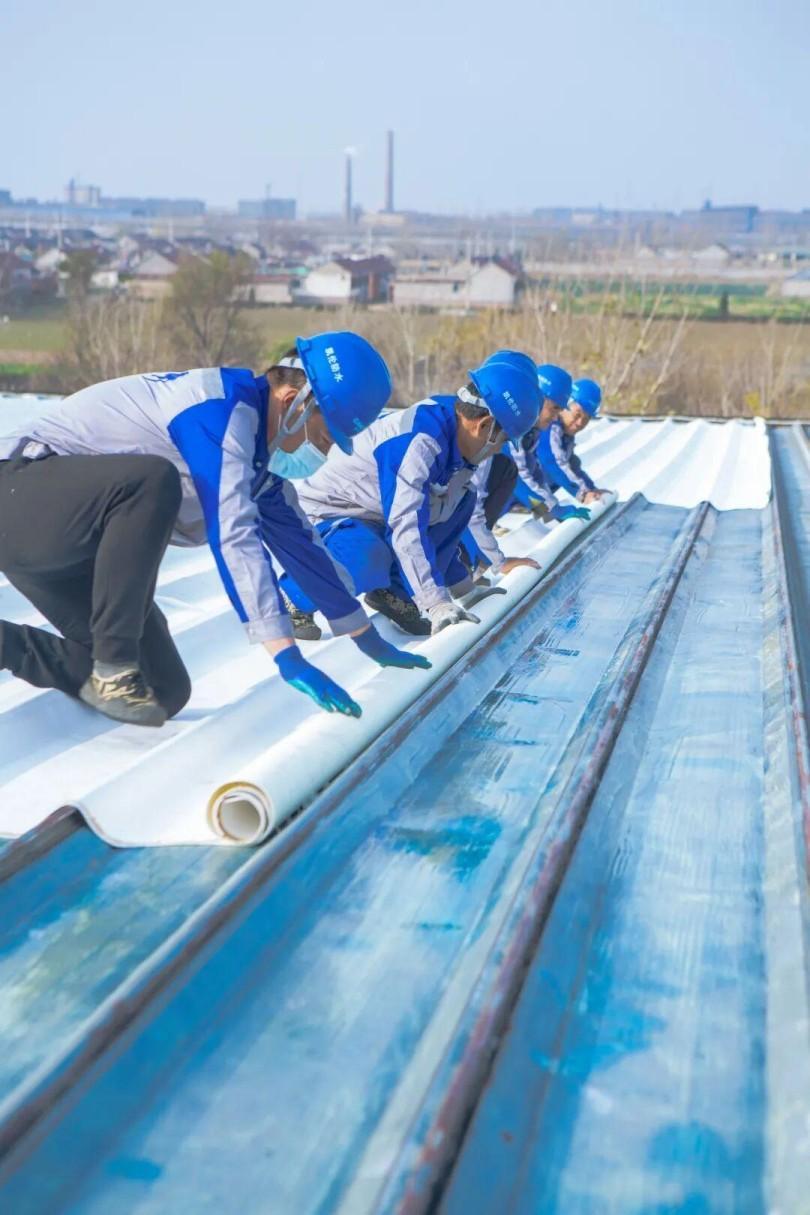
Canlon TPO Full-Adhesive Roofing Renewal
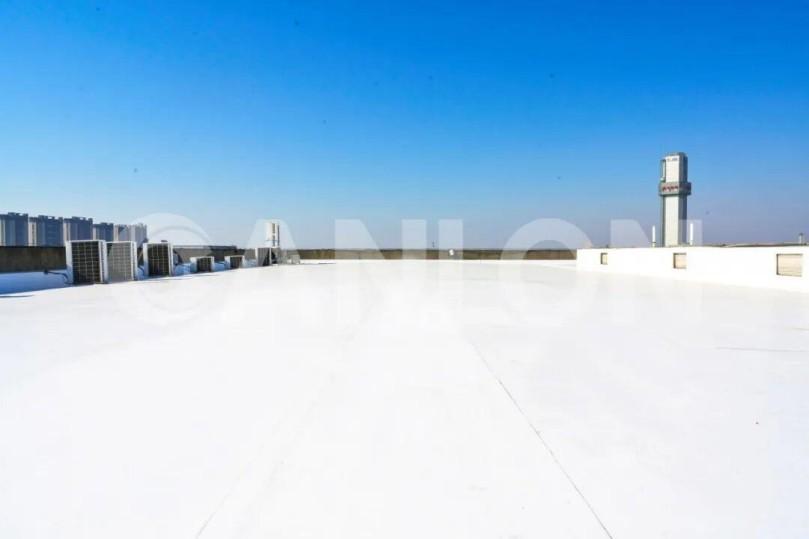
Canlon PVC Full-Adhesive Roofing Renewal
What are the differences in material composition?
TPO waterproof membrane
Its full name is thermoplastic polyolefin waterproof membrane. It uses polypropylene and ethylene-based polyolefin materials as its core raw materials, without adding any plasticizers throughout the process. It combines the low-temperature elasticity of rubber with the weldability of plastic. Simply put, it is an environmentally friendly polymer membrane with no volatile components. Its flexibility is achieved through the material's own structure. After hot air welding, the seams and the membrane itself become integrated, making it a mainstream new type of environmentally friendly waterproof membrane in recent years.
PVC waterproof membrane
The full name is polyvinyl chloride waterproof membrane. It uses polyvinyl chloride resin as the base material and requires the addition of plasticizers and stabilizers to make it flexible and easy to install. It is a traditional polymer waterproof membrane that has been developed for many years. Simply put, its flexibility is given by "external components". The material itself is relatively hard, and it relies on the addition of additives to achieve bending and laying. The quality of the formula directly determines its durability.
Where do the performance differences mainly lie?
1. Plasticizer migration: An inherent weakness of PVC
PVC's flexibility comes from plasticizers. Over time, with exposure to sunlight and high temperatures, these plasticizers evaporate, migrate, and leach out, much like water evaporating. Typically, after a decade or so, the formula gradually changes from soft to hard and brittle. This can lead to minor issues like seam cracking or even complete breakage and leakage. This is the core reason why ordinary PVC is unsuitable for long-term exposure under extreme conditions. TPO, on the other hand, does not contain plasticizers; its flexibility comes from the material itself. Even after 30 years, its mechanical properties will not significantly degrade. This is the difference in their relative lifespans. Of course, both have a much longer exposed lifespan than bituminous waterproof membranes.
2. Climate adaptability: Choose one of two regions in frigid regions.
In regions like Northeast China, Northwest China, and high-altitude areas where winter temperatures drop below -20°C, ordinary PVC may experience low-temperature embrittlement, becoming like frozen plastic sheeting that is prone to cracking under stress. TPO, on the other hand, maintains its elasticity even at -40°C, exhibiting significantly superior resistance to freezing and cracking compared to conventional PVC, making it the preferred choice for exposed roofs in extremely cold conditions. Of course, in temperate climates (most of southern China), both are recommended.
3. Boundaries between environmental protection and applicable scenarios
TPO has no harmful volatile substances, making it the preferred choice for scenarios with high environmental and cleanliness requirements, such as food factories, hospital clean areas, drinking water pools, and residential roofs. PVC plasticizers will release trace amounts of volatile substances over a long period, so it is not recommended for use in enclosed clean spaces or projects that come into direct contact with drinking water.
4. Corrosion resistance: The ideal choice for chemical processing applications.
TPO is only suitable for conventional, non-corrosive building environments, while PVC has a much better tolerance to acids, alkalis, sewage, and chemical media than TPO. For chemical plants, sewage treatment ponds, and basements exposed to acid and alkali corrosion, PVC is a more suitable choice.
Scenario-based selection: How to learn from experience in different engineering projects.
For large exposed roof areas (factories, public buildings, high-rise roofs, directly exposed to sunlight), TPO is the preferred choice.
Reasons: UV resistant, no component migration, long lifespan, and no need for frequent refurbishment and maintenance.
For metal roofing/corrugated steel sheet renovation, TPO is the preferred choice.
Reason: High elongation, can deform with the thermal expansion and contraction of the metal sheet, strong resistance to wind uplift at the joints, and can be constructed even at low temperatures.
For green roofs (roof gardens), the preferred choice is TPO or PVC root barrier type.
Reason: TPO material is naturally resistant to plant root penetration, while PVC requires a specially modified version.
For outdoor environments with relatively low budgets and no harsh climates or prolonged exposure to the sun: PVC;
For wastewater treatment areas, acid and alkali storage tank areas, and areas with contact with chemical media, PVC should be the preferred material.
For food processing plants, hospital clean rooms, and drinking water pools, TPO (Total Purpose) is the preferred choice.
Warehouses and factories requiring high flame retardancy: PVC.
Why choose Canlon?
As a leading manufacturer of polymer waterproofing materials, Canlon's TPO/PVC is manufactured using a complete set of Italian imported production lines and is tailored to the company's extensive experience in waterproofing projects, providing a service life of more than 25 years for the renovation of various roof structures such as concrete and metal.