

In the field of underground waterproofing, there is a persistent challenge that has plagued the industry for decades—water migration. In traditional waterproofing practices, a physical interface always exists between the waterproofing layer and the structural body. Once the waterproofing layer is locally damaged, groundwater can travel long distances along this gap, seeping into the building through weak points in the structure. More frustratingly, the leakage point is often far from the damage point, making repairs like "finding a needle in a haystack."

Supermarkets, food, beverages, logistics... these are the projects in commercial buildings that are closest to daily consumer needs, and they are also the projects that can best enhance the happiness of the general public. Reliable building waterproofing quality not only protects the business and profits of commercial entities, but also provides a solid guarantee for convenient living and healthy eating. With its excellent products and systems, Canlon empowers the industrial development of well-known brands in the supermarket and consumer sector, laying a solid foundation for modern quality living.

Aging and failure of the waterproofing layer on the roofs of urban residential buildings is a common problem, especially for flat roofs using bitumen-based waterproofing membranes (such as SBS and APP). After long-term exposure to sun and rain, and thermal expansion and contraction, these roofs are prone to cracking, hollowing, and leakage. To address this issue, Canlon Repair, a subsidiary of Canlon Group, can provide customized system solutions to create a waterproof barrier for your building.

The National Building Standard Design Atlas 25J950, "Building Waterproofing," is an important guide for professionals in the building waterproofing industry. It provides detailed descriptions of waterproofing projects for metal roof panels and polymer membrane metal composite profiled sheet roofs, offering a unified and scientific technical reference for the Chinese building waterproofing industry. In the compilation of this national standard atlas, Canlon not only contributed its waterproofing expertise as a participating unit, but the technical standards for its representative innovative product—the polymer membrane metal composite profiled sheet system—were also included in Chapter 10. Let's take a look at the relevant content.
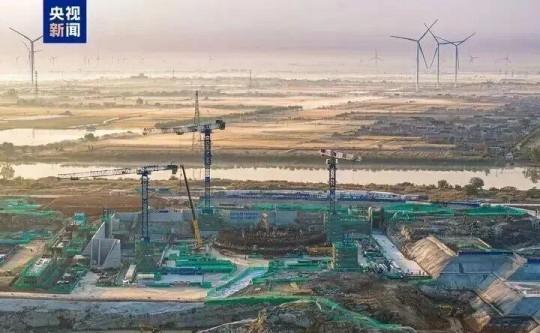
Canlon is one of the first building material manufacturers in China to apply waterproofing products to nuclear power projects, contributing to numerous high-quality projects such as the Rongcheng Nuclear Power Plant in Shandong, the Sanmen Nuclear Power Plant in Zhejiang, the Xiapu Nuclear Power Plant in Fujian, and the Fuqing Nuclear Power Plant. The Fuqing Nuclear Power Plant unit project, in particular, won the National Excellent Project Award (Gold Award). Canlon's flagship product, MBP-P polymer self-adhesive waterproof membrane, passed the supplier certification of China National Nuclear Corporation (CNNC) and was also awarded the "Jiangsu Excellent Product" certification at the 2nd Jiangsu Quality Conference.

Under direct sunlight in summer, the surface temperature of roofs can often soar to over 70°C. This heat continuously flows into the interior through the roof—air conditioners work frantically to cool the rooms, electricity bills skyrocket, and the urban heat island effect intensifies. Worse still, high temperatures accelerate the aging and embrittlement of roofing materials—including rolls and their plasticizers—leading to surface peeling and failure of waterproofing performance. A "feverish" roof not only has a significantly reduced lifespan, but also increases the risk of accidental ignition.
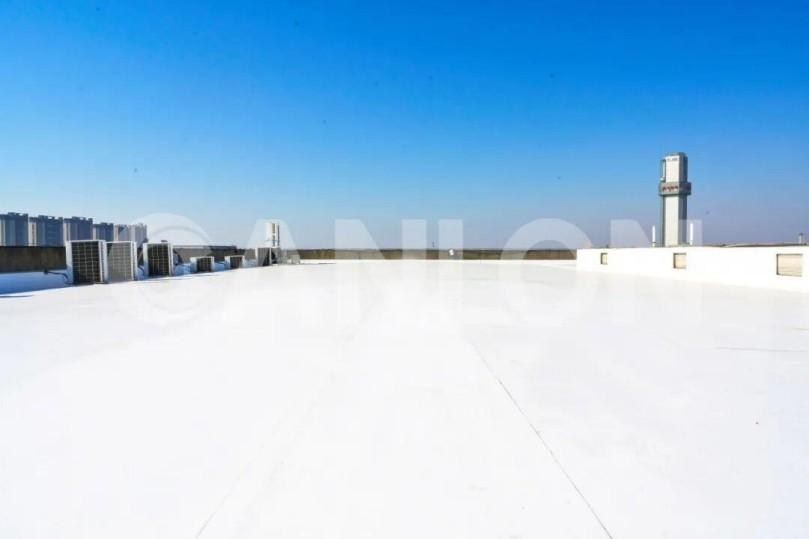
In waterproofing applications such as roofs, basements, and municipal engineering projects, polymer waterproof membranes are undoubtedly the mainstream choice today, with TPO and PVC being the two core materials. However, many homeowners, renovation professionals, and even newcomers to the industry easily confuse the two – both are polymer membranes, both can be hot-air welded, and both are high-performance roofing materials, but their actual materials, lifespans, and applicable scenarios are quite different! Today, Canlon will use simple, popular science language to clarify the essential differences between the two types of roll-on sheets, and provide practical selection advice for different usage scenarios.

During the Lesser Fullness of Grain solar term, all things are abundant. On May 22, the senior and middle management team of Jiangxi Ganfeng Lithium Group Co., Ltd. (hereinafter referred to as Ganfeng Lithium) visited the Canlon Polymer Industrial Park to carry out a seminar and learning activity themed "Benchmarking against the best to promote development and intelligently leading change to start a new journey". The study tour was led by He Xingyao, Vice President of Ganfeng Lithium, with more than 40 participants including heads of various departments and centers. Vice Presidents Wang Pingping, Chen Hongjin, and Long Zhihong of Canlon, along with Zhao Dongliang, Director of the Human Resources Center, and other senior and middle-level leaders, warmly received the visitors.

Against the backdrop of global climate change and increasing resource scarcity, "sustainable development" and "circular economy" have evolved from marginal concepts into core action frameworks across all industries. The construction industry, as a major carbon emitter, faces an urgent need for green transformation. Within this wave of transition, waterproofing materials are undergoing a profound green revolution—shifting from single-function products to full-lifecycle environmental value. Polymer waterproofing membranes represented by TPO and PVC, with their green attributes of recyclability, energy savings, and low VOC emissions, are becoming the technical foundation for low-carbon buildings and green certifications.