
Views: 0 Author: Site Editor Publish Time: 2026-10-23 Origin: Site


Tunnel waterproofing protects underground structures from groundwater infiltration, moisture-related deterioration, and costly repairs. Engineers must consider hydrostatic pressure, ground conditions, structural movement, and construction methods when selecting a waterproofing system.
Common solutions include sheet membranes, pre-applied fully bonded membranes, liquid-applied systems, and cementitious waterproofing. Each option has different installation requirements and performance characteristics. This guide explains how to evaluate tunnel waterproofing systems, control installation risks, and select suitable solutions for underground projects.
Groundwater can enter a tunnel through cracks, joints, penetrations, and defects in the waterproofing layer. Hydrostatic pressure depends on factors such as groundwater level, water head, and site conditions. Seasonal fluctuations may also change the pressure acting on the tunnel lining.
Soil permeability affects how groundwater moves around the structure. Gravel and coarse sand generally allow faster water movement than dense clay. However, low-permeability soil can still exert sustained water pressure on the tunnel.
Engineers should assess groundwater conditions during the design stage. The waterproofing and drainage strategy should reflect the expected water pressure, geological conditions, and project requirements.
Construction joints, movement joints, pipe penetrations, and connections between tunnel sections require careful detailing. These areas can become leakage paths if the waterproofing layer or joint seals are damaged, poorly installed, or incompatible with expected movement.
In sprayed-concrete tunnel construction, uneven surfaces and local voids may also affect membrane installation. Cross-passages, invert slabs, and changes in geometry require particular attention because they often involve complex details.
Early coordination between structural designers, waterproofing specialists, and installation teams helps reduce the risk of defects.
Water ingress can contribute to concrete deterioration, reinforcement corrosion, equipment damage, and service interruptions. The actual impact depends on leakage volume, water chemistry, exposure duration, and the function of the tunnel.
Repairs may require injection grouting, joint resealing, concrete rehabilitation, or temporary restrictions on tunnel operations. A suitable waterproofing strategy and documented quality control can help reduce these risks.
Sheet membranes form a physical barrier between the surrounding ground and the tunnel structure. Depending on the system, materials may include PVC, TPO, HDPE, or other specified polymers.
In some tunnel designs, membranes are installed over a prepared primary lining, with a geotextile or other protection layer where required. The protection layer helps reduce the risk of mechanical damage during subsequent construction. Drainage components may also be incorporated into the system design.
The selection of membrane material should consider flexibility, chemical exposure, joint details, installation conditions, and compatibility with the tunnel structure. Sheet membranes require careful treatment of overlaps, corners, penetrations, and transitions.
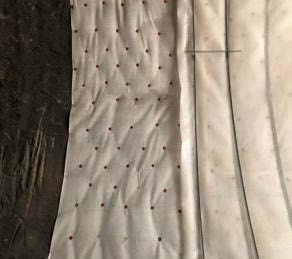
Pre-applied membranes are installed before the concrete structure is cast. The membrane is positioned so that its designated bonding surface can bond with the subsequently placed concrete, following the manufacturer's installation instructions.
A fully bonded system can help limit water migration between the membrane and the concrete if localized damage occurs. However, performance depends on correct material selection, substrate preparation, overlap treatment, concrete placement, and installation quality.
CANLON offers MBP-Pro Pre-applied Waterproofing Membrane for below-grade applications, including tunnels. Its published product information describes a composite structure using an HDPE or TPO polymer sheet, pressure-sensitive adhesive, and a protective surface layer.
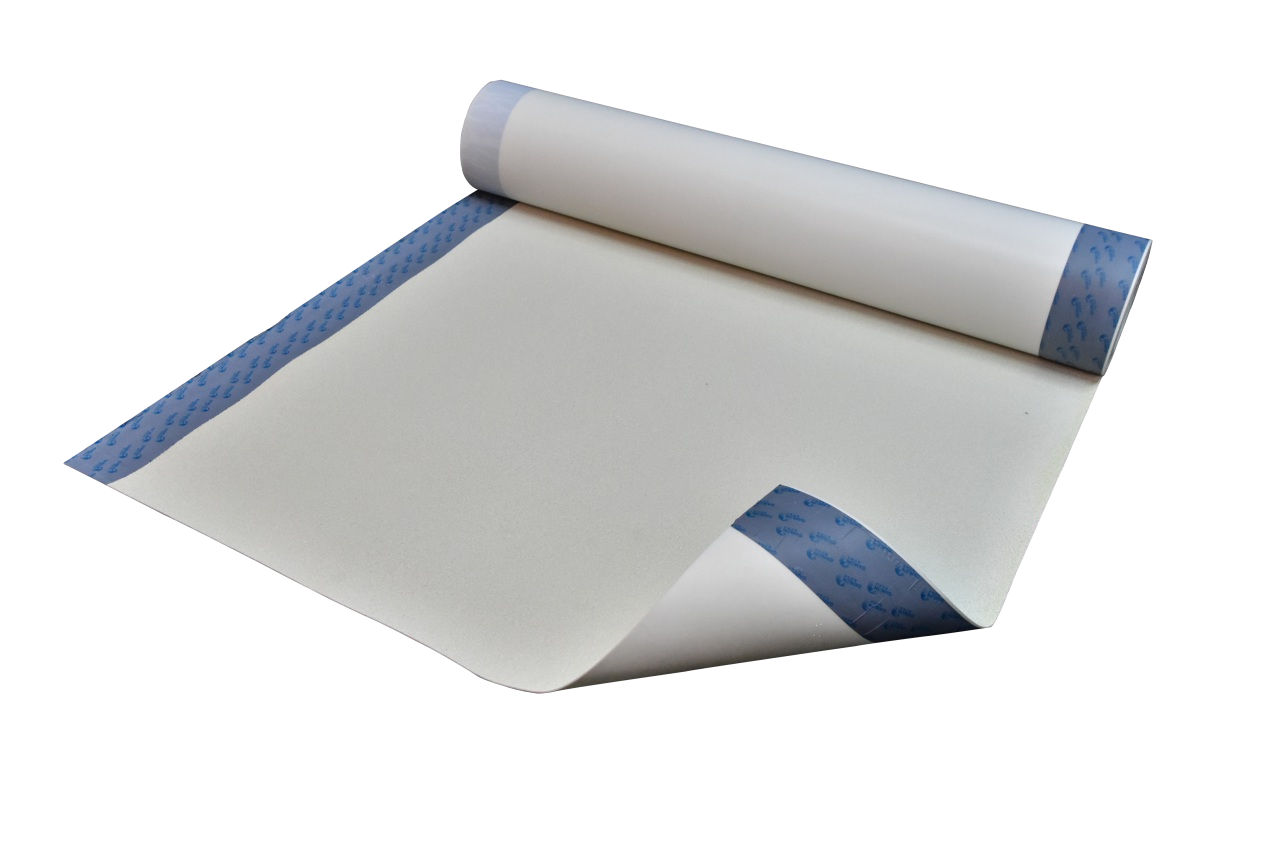
For projects requiring an FPO-based system, see CANLON MBP 300 FPO Pre-applied Fully Bonded Waterproofing Membrane. The product page identifies tunnels and below-ground structures among its applications.
Liquid-applied membranes form a continuous coating over a suitably prepared substrate. They can be useful for complex shapes, irregular details, and areas where a sheet system may be difficult to install.
Their suitability depends on the product formulation and site conditions. Contractors should verify substrate moisture limits, surface preparation, application thickness, curing requirements, and compatibility with adjacent materials.
Liquid-applied membranes should not be assumed to suit every tunnel environment. Product specifications and project requirements should guide selection.
Cementitious waterproofing products create a protective layer on suitable concrete surfaces. Crystalline systems use reactive components intended to reduce water penetration through concrete pores and capillary pathways under specified conditions.
These treatments may be considered for selected concrete structures, local repairs, or rehabilitation projects. They are not substitutes for movement-joint systems or flexible membranes where significant movement is expected.
The appropriate solution depends on the source of leakage, crack characteristics, water pressure, substrate condition, and product instructions.
Cut-and-cover construction generally allows access to the exterior surfaces before backfilling. This can provide suitable conditions for installing pre-applied or post-applied waterproofing membranes, depending on the design.
The project team should check membrane continuity at base slabs, walls, construction joints, and penetrations. Protection during backfilling is also important because sharp materials or construction activities may damage the waterproofing layer.
Bored and mined tunnels may use different lining arrangements depending on the excavation method and design. Some systems use precast segmental linings, while others use sprayed concrete and a secondary lining.
For tunnels using a sprayed-concrete primary lining, membrane installation must account for surface regularity, protection requirements, drainage, and the sequence of secondary lining construction. For segmentally lined TBM tunnels, joint gaskets and other specified sealing components are important parts of the waterproofing design.
The waterproofing approach should therefore be selected according to the actual tunnel structure rather than excavation method alone.
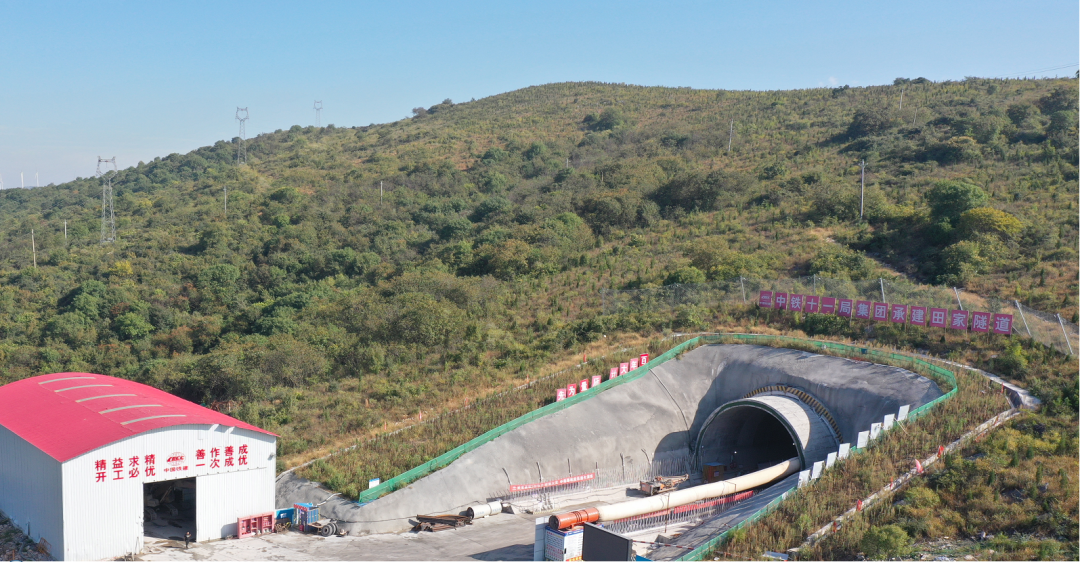
CANLON also documents its self-adhesive waterproofing and drainage board application in the Tianjia Tunnel project.
Cross-passages, equipment openings, pipe penetrations, and changes in tunnel geometry require coordinated detailing. The waterproofing system must connect continuously with adjacent sections and accommodate the movement expected at each interface.
Depending on the design, suitable measures may include waterstops, compatible sealants, additional membrane details, or injectable joint systems. These components should be selected as part of an integrated system rather than treated as independent fixes.
Review the design water level, expected water pressure, groundwater chemistry, and drainage requirements. Material resistance and system configuration should be compatible with these conditions.
Consider how the system performs if localized damage occurs. Fully bonded membranes can help restrict water movement along the interface between the membrane and concrete. The effectiveness of this approach depends on the complete system and proper installation.
Assess the expected movement of the structure and the performance requirements for joints and cracks. A waterproofing material's flexibility should be verified against the project design and product data.
Check whether the system can be installed under actual site conditions. Relevant factors include substrate moisture, surface profile, temperature, access, curing time, and compatibility with concrete or shotcrete.
Consider how potential leaks could be located and repaired after the tunnel enters service. Joint-access provisions, compartmentalization, injection systems, and maintenance plans may support future repairs when included in the design.
Remove loose material and contaminants, address unsuitable surface irregularities, and repair defects according to the approved method. Follow the membrane manufacturer's requirements for substrate condition and any primer or preparation materials.
Check membrane overlaps, seams, corners, terminations, and penetrations before they are covered. Confirm that waterstops and other joint components are correctly positioned and compatible with the selected waterproofing system.
Rebar installation, formwork operations, equipment movement, and concrete placement may damage waterproofing materials. Establish clear site procedures to minimize damage and inspect the system before it becomes inaccessible.
Inspection procedures should follow the project specifications and the membrane manufacturer's recommendations. Depending on the system, checks may include visual inspection, seam testing, thickness verification, or other suitable methods. Electronic leak detection should only be specified when the membrane type, site conditions, and testing method are compatible.
Document inspection results and repair any identified defects before proceeding to the next construction stage.
The initial material price is only one part of the total cost of tunnel waterproofing. Installation requirements, construction sequencing, repair access, expected maintenance, and the consequences of service disruption should also be considered.
A suitable system can help reduce leakage-related maintenance, but long-term performance depends on design, material quality, installation, and operating conditions. Project teams should compare alternatives using consistent performance requirements and lifecycle assumptions.
Waterproofing should also be coordinated with structural design and drainage planning. Changes to lining thickness, reinforcement, or other structural elements must be assessed and approved by the responsible design team.
Successful tunnel waterproofing starts with understanding groundwater conditions, structural details, construction methods, and maintenance requirements. Sheet membranes, pre-applied fully bonded membranes, liquid-applied systems, and cementitious treatments each have suitable applications and limitations.
A reliable specification should define the required performance, material compatibility, installation procedures, inspection methods, and repair strategy. By coordinating waterproofing design with construction and quality control, project teams can better manage leakage risks and support the long-term serviceability of underground infrastructure.
For tunnel and below-grade waterproofing applications, explore CANLON's Civil Engineering solutions and review the product specifications before selecting a system for a specific project.
Tunnel waterproofing is a system of membranes, coatings, joint seals, and related components designed to limit groundwater infiltration and protect underground structures.
The choice depends on the tunnel construction method, groundwater pressure, substrate, expected movement, and installation conditions. Sheet membranes and pre-applied fully bonded membranes are among the options used in suitable designs.
A pre-applied waterproofing membrane is installed before concrete placement. Its designated bonding surface is designed to bond with subsequently placed concrete according to the manufacturer's instructions.
Assess groundwater conditions, select a compatible waterproofing system, detail joints and penetrations carefully, protect the membrane during construction, and inspect the installation before it is covered.
Key checks include substrate condition, membrane overlaps, seams, joint details, penetrations, mechanical damage, and compliance with the project specifications and manufacturer's instructions.