
Views: 29 Author: Site Editor Publish Time: 2026-11-05 Origin: Site


Choosing the right roofing membrane involves more than waterproofing. Energy efficiency, chemical resistance, fire performance, and long-term costs all influence a commercial roof’s performance.
TPO and PVC are two widely used single-ply roofing materials. Both provide waterproofing protection and can be joined through heat-welded seams, but their different properties make them suitable for different project requirements.
Material Properties and Energy Efficiency
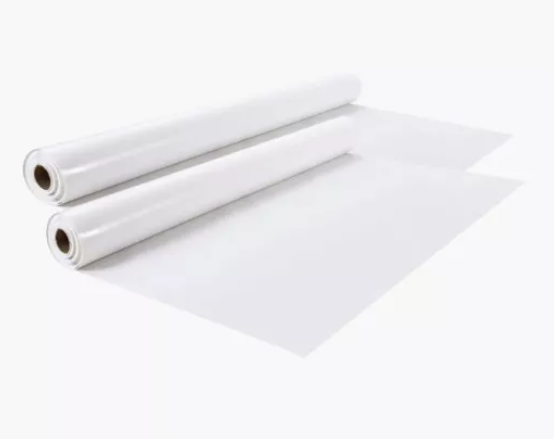
TPO (Thermoplastic Polyolefin) is known for its lightweight structure, flexibility, and reflective surface. Light-colored TPO membranes can reflect solar radiation, helping reduce roof heat absorption and potentially lowering cooling demand. Their non-chlorinated composition is another characteristic that distinguishes TPO from PVC.
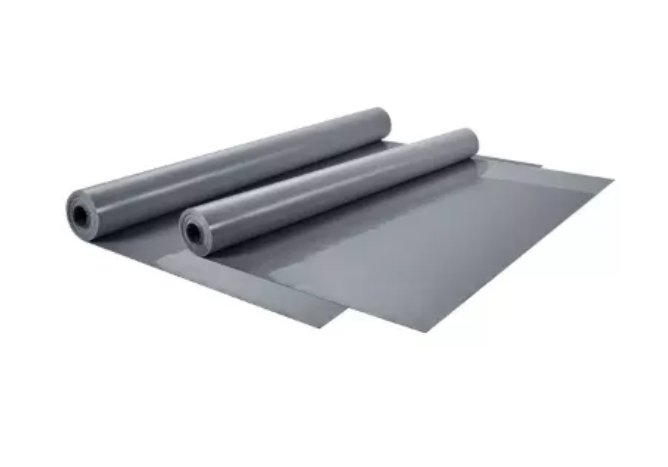
PVC (Polyvinyl Chloride) offers flexibility and resistance to many oils, greases, and chemicals. It is often considered for restaurants, commercial kitchens, food processing facilities, and industrial buildings where rooftop exposure may be more demanding.
Both materials can offer reflective performance, but actual energy benefits depend on product specifications, insulation, local climate, and building design.
Chemical Resistance and Fire Performance
TPO is suitable for many general commercial roofing applications, offering resistance to moisture and UV exposure depending on the specific product.
PVC stands out in environments where grease, oils, or certain chemicals may come into contact with the roof. Its fire-performance characteristics can also make it an attractive option for projects with specific fire-safety requirements.
However, fire performance varies by formulation and roofing assembly. Project teams should check the relevant test results, certifications, and local building code requirements rather than assume that every membrane performs identically.
Seam Performance and Installation
Both TPO and PVC membranes can be joined through hot-air welding to create continuous waterproofing seams. When properly installed, these seams help protect the roof against water ingress.
Long-term performance also depends on substrate preparation, secure attachment, drainage, and detailing around drains, edges, and rooftop equipment. Poorly executed seams or details can become weak points even when high-quality materials are used.
Professional installation is therefore just as important as selecting the appropriate membrane.
Service Life and Long-Term Value
TPO is often considered a cost-effective option for large roofing areas, particularly when reflective performance is a priority. PVC may have a higher initial cost, but its chemical resistance can make it a practical choice for demanding environments.
Both materials can offer long service lives when properly specified, installed, and maintained. Actual durability depends on product quality, environmental exposure, roof design, and maintenance practices. Warranty periods also vary by manufacturer and system.
Rather than comparing material prices alone, consider installation expenses, inspection and maintenance requirements, expected service life, and potential repair costs.
Environmental Considerations and Material Selection
TPO's non-chlorinated composition may be a consideration for projects with specific material preferences. PVC also has established recycling pathways in certain applications, although actual recyclability depends on available collection systems and processing facilities.
When comparing environmental performance, it is worth looking beyond material composition to consider product-specific environmental data, service life, maintenance needs, and end-of-life options.
For a warehouse with extensive roof coverage and a focus on solar reflectivity, TPO may be a suitable candidate. For a commercial kitchen or industrial facility exposed to grease and certain chemicals, PVC may deserve closer consideration.
There is no universal winner between TPO and PVC. The right choice depends on the building's operating environment, technical requirements, applicable standards, and long-term performance goals.
At CANLON, we focus on roofing and waterproofing solutions for commercial and industrial projects. Understanding the differences between roofing membranes helps project owners, architects, and contractors make more informed decisions.
What do you think matters most when choosing a commercial roofing membrane: energy efficiency, chemical resistance, fire performance, or long-term cost.