
Views: 0 Author: Site Editor Publish Time: 2026-10-21 Origin: Site


Tunnel waterproofing helps protect underground structures from groundwater infiltration, concrete deterioration, and damage to internal facilities. The right system depends on groundwater pressure, ground conditions, excavation methods, structural design, and maintenance access.
This guide explains common tunnel waterproofing methods, material selection factors, installation controls, and maintenance considerations. It also introduces CANLON tunnel waterproofing solutions for tunnels and other below-grade structures.
Groundwater can enter a tunnel through concrete cracks, construction joints, membrane defects, and poorly sealed penetrations. Water pressure generally increases with depth below the groundwater level. Actual design pressure must be calculated from site-specific groundwater conditions.
Engineers may use a drained system to collect and discharge water or a fully waterproofed system designed to resist the specified water pressure. The choice depends on the tunnel structure, surrounding geology, drainage feasibility, and long-term maintenance requirements.
Ground settlement, vibration, and temperature changes can cause movement in tunnel structures. Cracks and joints may become potential water paths if the waterproofing system cannot accommodate this movement.
Material selection should consider flexibility, elongation, crack-bridging performance, and compatibility with the substrate. Required performance should be verified through product test data and project specifications rather than assumed from the material type alone.
Groundwater may contain sulfates, chlorides, acids, or other substances that affect concrete, reinforcement, and waterproofing materials. Before selecting a system, project teams should review available geological reports and groundwater test results.
The selected waterproofing system should match the expected chemical exposure, design life, construction conditions, and relevant technical standards.
Pre-applied waterproofing membranes are installed before the structural concrete is cast. In suitable systems, the membrane bonds with the subsequently placed concrete to help limit water migration between the membrane and the structure.
This approach is commonly considered for below-grade structures and certain tunnel projects. Selection should account for the substrate, water pressure, membrane compatibility, joint detailing, and installation sequence.

CANLON offers pre-applied membrane solutions for underground applications. Explore CANLON's civil engineering waterproofing solutions and the MBP 300 FPO Pre-applied Fully Bonded Waterproofing Membrane for product information.
Flexible sheet membranes can form a continuous waterproofing barrier when installed with suitable detailing and verified joints. Depending on the system, materials may include PVC, TPO, HDPE, or other polymer-based membranes.
No single material is best for every tunnel. Engineers should compare chemical resistance, flexibility, joint methods, substrate conditions, installation requirements, and the availability of repair solutions.
Spray-applied and liquid waterproofing materials can suit complex shapes and detailed areas where sheet installation is difficult. Their performance depends on substrate preparation, application conditions, curing, and the specified film thickness.
Before use, confirm that the product is suitable for the tunnel environment and compatible with the substrate and adjacent construction materials.
Crystalline admixtures and cementitious waterproofing materials can help reduce water penetration in suitable concrete applications. They should not automatically replace a flexible membrane where movement, joints, or high water pressure require a dedicated waterproofing system.
Injection grouting is used for selected cracks, joints, voids, and active leaks. The grout type and injection procedure should be selected according to the leak condition, crack geometry, and structural requirements.
Cut-and-cover tunnels allow waterproofing to be installed on accessible external surfaces before backfilling. The main considerations include substrate preparation, membrane continuity, joint detailing, and protection against damage during reinforcement placement and backfilling.
Pre-applied systems may be considered where their application requirements match the project design. Follow the product instructions for substrate acceptance, overlaps, terminations, and concrete placement.
Bored and mined tunnels have different structural and construction conditions. Some projects use a primary lining, a waterproofing layer, drainage components, and a secondary lining. Other designs may use different combinations based on groundwater and geological conditions.
The design should define how water is collected or resisted, how construction joints are sealed, and how defects can be inspected or repaired after completion.
Underground stations often contain more corners, penetrations, construction joints, and transitions than a uniform tunnel section. These locations require coordinated detailing between the waterproofing membrane, waterstops, sealants, and any planned injection system.
Connection details should be reviewed before construction, with particular attention to movement, concrete placement, and future repair access.
A suitable tunnel waterproofing system should be selected through a project-specific assessment. Key factors include:
Groundwater conditions: Determine the groundwater level, expected pressure, and seasonal variation.
Geological conditions: Review ground movement, soil composition, and chemical exposure.
Construction method: Confirm whether the tunnel is cut-and-cover, bored, or mined.
Structural design: Check joints, penetrations, lining arrangements, and movement requirements.
Installation conditions: Assess access, substrate quality, weather exposure, and construction sequencing.
Inspection and repair: Define how seams, joints, and potential leakage areas will be inspected and repaired.
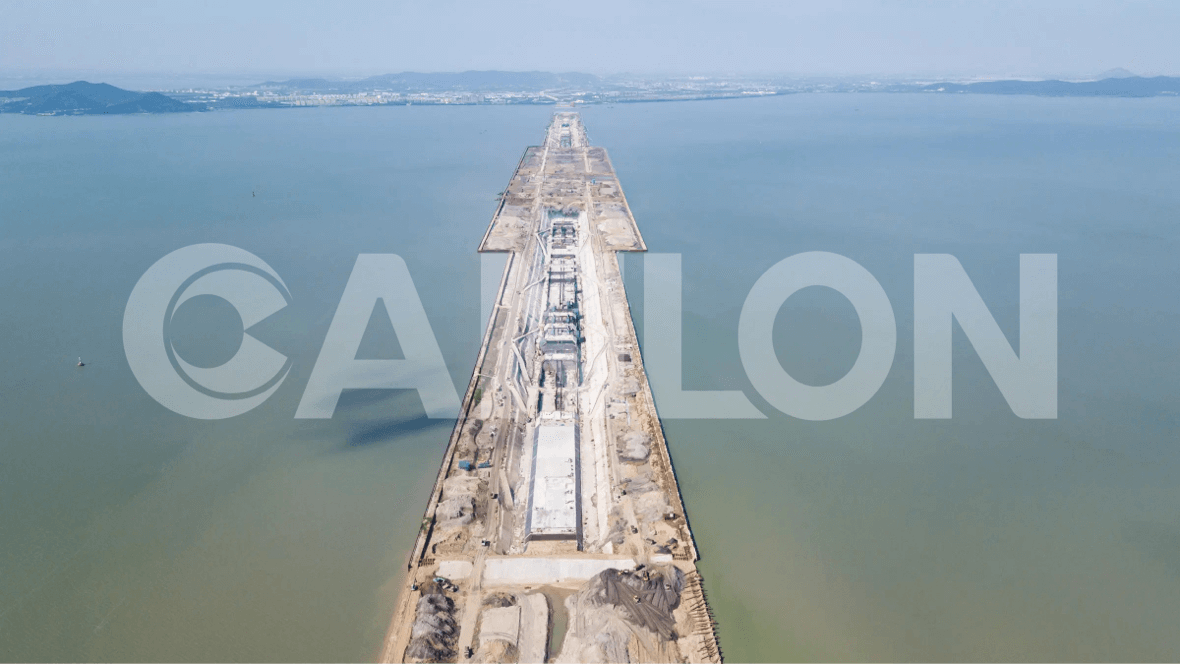
For a real tunnel application, see CANLON's Jinji Lake Tunnel waterproofing project. The project page describes the application of CANLON's MBP polymer pre-applied waterproofing membrane.
The substrate must meet the requirements of the selected waterproofing system. Remove loose material and contaminants, repair unsuitable areas, and address sharp projections or voids that could damage the membrane.
Moisture limits, primer requirements, and surface preparation methods vary by product. Do not apply a universal primer rule to every membrane. Follow the approved technical data sheet and project method statement.
Install the membrane according to the approved layout and installation instructions. Pay special attention to overlaps, terminations, penetrations, corners, and construction joints.
Where welding is required, use the specified equipment and test method. Record inspection results and repair identified defects before covering the membrane with concrete or backfill.
Uncontrolled water can interfere with substrate preparation, bonding, welding, and other installation processes. The construction plan should identify groundwater risks and establish suitable temporary drainage, dewatering, and leak-control measures.
If active leakage occurs, determine the source and select a compatible remedial method before continuing with the permanent waterproofing work.
A tunnel waterproofing system should be considered together with the structure's inspection and maintenance plan. For drained systems, drainage outlets and pipes may require inspection and cleaning. For fully waterproofed systems, accessible joints, visible leakage points, and repair provisions should be reviewed.
Project teams should retain product records, installation logs, inspection reports, and repair documentation. These records help support future maintenance and troubleshooting.
Reliable tunnel waterproofing starts with an accurate assessment of groundwater, geology, structural design, and construction methods. The selected system must suit these conditions and be installed under a documented quality-control process.
Compare membrane options, verify product requirements, and plan for inspection and repair before construction begins. For tunnel-specific products and project references, explore CANLON's civil engineering solutions.
Tunnel waterproofing uses membranes, joint-sealing components, drainage systems, or compatible combinations to control water ingress into underground structures.
There is no single best membrane for every project. Selection depends on groundwater pressure, geology, construction method, substrate, joint design, and the product's verified performance.
A pre-applied membrane is installed before concrete placement. Depending on the system, it can bond with subsequently poured concrete to help reduce water migration along the membrane-structure interface.
Repair begins with identifying the water source and leakage path. Depending on the condition, suitable measures may include injection grouting, joint repair, drainage improvements, or local waterproofing repairs.
Contractors should prepare the substrate properly, follow product installation instructions, inspect critical joints and details, document quality checks, and repair defects before the membrane is covered.