

Supermarkets, food, beverages, logistics... these are the projects in commercial buildings that are closest to daily consumer needs, and they are also the projects that can best enhance the happiness of the general public. Reliable building waterproofing quality not only protects the business and profits of commercial entities, but also provides a solid guarantee for convenient living and healthy eating. With its excellent products and systems, Canlon empowers the industrial development of well-known brands in the supermarket and consumer sector, laying a solid foundation for modern quality living.
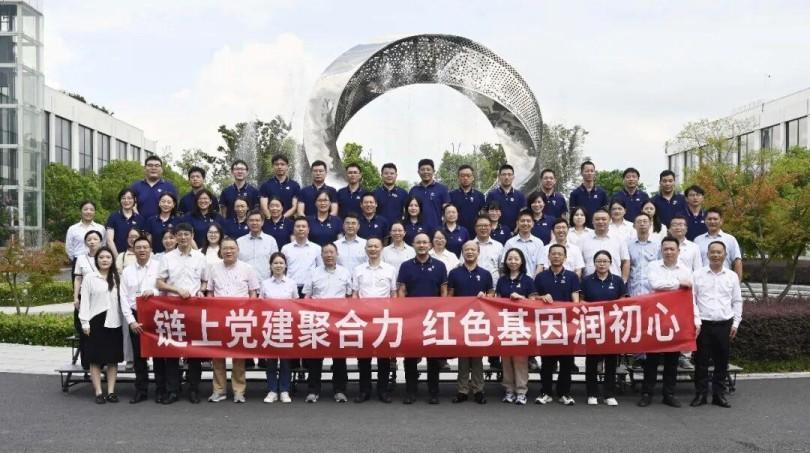
On September 3, 2026, the Party Committee of Suzhou Company (East China Materials Division) of China National Building Materials Testing & Certification Group, the Party Branch of Suzhou Waterproofing Research Institute of China Building Materials, the Party Branch of China Building Waterproofing Magazine, and the Party General Branch of Canlon Investment Co., Ltd. jointly carried out the "Chain-based Party Building" co-construction activity at Canlon Polymer Industrial Park and officially signed the "Chain-based Party Building Co-construction Agreement".
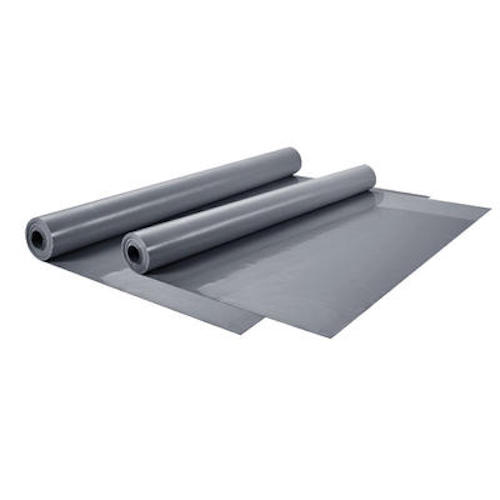
In scenarios such as rooftop gardens and planted decks over underground parking garages, the threat of plant roots penetrating the waterproofing layer is a critical engineering challenge. Many mistakenly believe that “root-resistant” membranes work by “poisoning” roots—a widespread misconception. In fact, root-resistant waterproofing membranes operate through two primary mechanisms: physical root resistance and chemical root resistance. The former relies on the material’s own “hard power” without any chemical additives; the latter uses specific agents to alter root growth behavior. These principles are fundamentally different and suit different applications.

Concrete roof waterproofing protects porous roof decks from moisture intrusion, cracking, rebar corrosion, and long-term structural damage. This guide explains how concrete roof waterproofing systems work and compares liquid-applied, sheet-based, and cementitious solutions for different project conditions. It also covers membrane flexibility, UV resistance, ponding water performance, renovation costs, curing time, substrate preparation, and quality testing. By matching waterproofing materials to climate, roof condition, traffic, and drainage requirements, facility owners and contractors can reduce leakage risks, extend roof service life, and improve long-term building protection.

Concrete roof waterproofing membranes provide a critical barrier against water intrusion, cracking, rebar corrosion, insulation damage, and premature structural deterioration. This guide explains how roof waterproofing membranes protect concrete decks and compares liquid-applied, modified bitumen, and single-ply membrane systems. It also covers crack-bridging performance, UV resistance, installation speed, lifecycle value, surface preparation, and moisture-related risks. By matching the waterproofing system to roof conditions, climate, traffic, and project requirements, building owners can reduce leaks, extend roof service life, and improve long-term asset protection.

This guide explains how to choose the right metal roof waterproofing system by examining common leak causes, coating options, rust treatment, application methods, and installation risks. It compares silicone, polyurethane, polyurea, acrylic, and modified bitumen systems for different roof conditions and facility needs. Readers will learn how thermal movement, corrosion, surface preparation, adhesion, weather, and detailing affect long-term performance. The guide also outlines practical inspection, testing, and quality-control steps to help facility managers improve leak protection, reduce coating failures, and extend the service life of commercial metal roofs.

Metal roof coatings provide a practical way to restore aging roofs without the disruption of full replacement. This guide explains how fluid-applied systems improve waterproofing, control corrosion, accommodate thermal movement, and protect metal substrates from ponding water and UV exposure. It compares silicone, polyurethane, and acrylic chemistries, while covering surface preparation, adhesion testing, application conditions, warranties, maintenance, and cost considerations. Facility managers and contractors can use these insights to choose metal roof coatings that balance durability, waterproofing performance, installation risk, and long-term asset value.

This guide explains how to plan a durable flat concrete roof waterproofing and renovation project, from structural assessment and surface preparation to selecting the right waterproofing system. It compares liquid membranes, modified bitumen, cementitious coatings, and single-ply membranes while examining climate exposure, roof traffic, drainage, detailing, and lifecycle cost. The article also covers crack repair, moisture testing, quality assurance, and common installation risks. By following these practical steps, facility managers, contractors, and property owners can reduce water ingress, improve roof performance, and extend the service life of concrete roof assemblies.

Metal roof waterproofing systems must withstand thermal movement, UV exposure, ponding water, corrosion, and changing weather conditions without losing adhesion or flexibility. This guide explains how to select suitable sealants and roofing membranes for metal roofs, compare silicone, polyurethane, acrylic, and butyl materials, evaluate substrate compatibility, and manage surface preparation and curing conditions. It also covers facility requirements, performance metrics, common installation risks, and preventive measures, helping building owners, contractors, and facility managers choose a durable waterproofing approach that reduces leaks and extends roof service life.