
Views: 99 Author: Site Editor Publish Time: 2026-01-01 Origin: Site


Check your building often for leaks and cracks. Look at roofs, basements, balconies, and windows two times each year. This helps you find problems early.
Use good materials for waterproofing. Strong products make tight seals. They keep your building safe from water damage.
Act fast if you see water damage. Fix small cracks right away. Change old seals to stop bigger problems.
Keep gutters and drains clear. This lets water move away from your building. It lowers the chance of flooding.
Match your waterproofing to your building’s needs. Custom systems can fix special problems like basement floods or balcony leaks.
Waterproofing problems can happen in many parts of your building. It is important to know where water can get inside. This helps you keep your property safe. Here are the most common waterproofing challenges. You will also learn how to spot them early.
Roof leaks are a very common waterproofing problem in homes and buildings. Almost 6 million homes in the United States have leaks. In cities like Riverside, Los Angeles, and San Francisco, over 5% of homes report roof leaks every year. Leaks often happen because of missing shingles, damaged flashing, or clogged gutters. If shingles are missing, water can get into the roof deck and attic. This can cause rot and mold. Gutters that are not cleaned let water run down walls and foundations. This can make even more damage.
Tip: Check your roof two times a year. Look for missing shingles, sagging spots, and debris in gutters. Finding problems early helps you avoid expensive repairs.
Inadequate roof slopes
Non-sloped horizontal substrates
Improperly designed wood framed decks
Ineffective water management in exterior stucco finishes
Poor understanding of the hygrothermal characteristics of exterior assemblies
Basement flooding is another big waterproofing problem. More than 60% of homes with basements in the U.S. have water get inside. Basement leaks can hurt walls, floors, and things you store. Water usually comes in through cracks in the foundation or from bad drainage outside. You might see wet spots, mold, or smell something musty in your basement.
Flood detection systems use sensors to watch water levels and warn you early.
Water sensors can find small leaks before they get worse.
Note: Check your basement for wet spots after heavy rain. Put in water sensors to find leaks early.
Balcony and window leaks are common waterproofing problems in tall buildings. Windows in condos and apartments can let in air and water from wind and rain. Balconies can also be risky if water gets inside. Look for water stains on ceilings or walls, damp smells, and white marks on concrete or stucco. Warped floors or baseboards can also mean leaks near windows or doors.
Check balconies to make sure water drains away.
Watch for leaks that could make the balcony or building weak.
Alert: If you see water stains or smell musty odors near windows or balconies, act fast to stop more damage.
Foundation cracks can cause serious waterproofing problems. Water can get in through these cracks and cause flooding or hurt the building. You might see cracks in basement walls or floors, especially after heavy rain. Small cracks can get bigger if you do not fix them. Checking often helps you find these problems before they get worse.
Tip: Walk around your building and look for cracks in the foundation. Fill small cracks right away to keep water out.
You should check your building often to find waterproofing problems early. Regular checks help you find leaks, cracks, and other problems before they get bad. Use a checklist to look at roofs, basements, balconies, windows, and foundations. Fixing problems early saves you money and keeps your building safe.
Waterproofing problems can happen if installation is not done right. Mistakes during installation make weak spots. Water can get in through these weak spots. Rushed work and poor detailing let water enter. If cracks and joints cannot move, water finds a way inside. Some mistakes are using wrong tiles in wet places. Some people think tile or grout is waterproof, but it is not. Not preparing the waterproofing membrane is another mistake. Do not make holes in the membrane or use wood in showers. Not testing for leaks before finishing can cause problems later.
Tip: Always check that drains have good coverage and slope. Do a flood test before finishing to find leaks early.
Bad materials can make waterproofing fail fast. These products crack or leak when they get wet. Using poor materials means your building is not safe for long. Flat roofs in commercial buildings are at higher risk. If you install waterproofing on dirty surfaces, it can come loose. Regular maintenance helps, but good materials protect longer.
Bad materials do not last when wet.
Good waterproofing choices help stop leaks and cracks.
Buildings move and settle as time passes. This movement can make cracks in concrete and other parts. Concrete is strong but lets water in. It can crack when it shrinks or the ground moves. Small cracks, shrinkage cracks, settlement cracks, and big cracks all let water inside. These cracks can cause rust and make the building weak. Watch for new cracks and fix them fast.
Type of Crack | Description |
|---|---|
Hairline Cracks | Small, let water in and cause rust |
Shrinkage Cracks | Form when concrete dries and shrinks |
Settlement Cracks | Happen from uneven support or moving soil |
Structural Cracks | Wide, can hurt stability and waterproofing |
Drainage problems are a big reason waterproofing fails. Water can build up near your foundation. This makes pressure and causes leaks. Bad drainage brings moisture into basements and crawl spaces. Mold can grow in these wet places and make your building unhealthy. Keep gutters and downspouts clean from debris. Use splash blocks or extensions to move water away from walls. Make sure the ground slopes away from your foundation to stop pooling.
Alert: Clean gutters and downspouts often to stop water damage and keep your waterproofing system working.
Start with a clean and dry surface. If you skip this, seals may not last long. Here are some easy steps for surface preparation:
Make sure the surface is dry. This helps things stick.
Clean off dust, dirt, and anything that can weaken the bond.
Use a primer if you need better sticking.
If you do not clean well, water can find weak spots. It can break through your seals. Cracks or holes make waterproofing fail. Always fix defects and use primer when needed.
Picking the right materials is very important. Good products give strong seals and protect for a long time. Use this table to help you choose:
Criteria | Description |
|---|---|
Environmental safety | Materials should be safe for people and nature. |
Ease of application and maintenance | Pick products that are easy to use and care for. |
Compatibility with surface type | Make sure the material matches the surface you want to protect. |
Waterproofing resistance | The material must block water and keep your building dry. |
Elasticity of expansion and contraction | It should flex with temperature changes. |
Pressure and abrasion resistance | Choose materials that can handle heavy use. |
Chemical resistance | The product should resist cleaning agents and other chemicals. |
Products like TUFF-N-DRI and TUFF-N-DRI XTS work well. They make strong seals that last a long time.
You need to use waterproofing materials the right way. Use hand tools like rollers, squeegees, or brushes for small spots. For big areas, spray equipment works well but needs skill. Always check that you cover every spot. Pay close attention to corners and edges. Good methods help seals stay strong and stop poor waterproofing.
Every building is different. You need a solution that fits your property. Tailored waterproofing systems fix problems like basement floods or balcony leaks. These systems look at your building’s structure and environment. They use custom solutions to keep water out and seals working. Regular checks and care help your waterproofing last longer and protect your property.
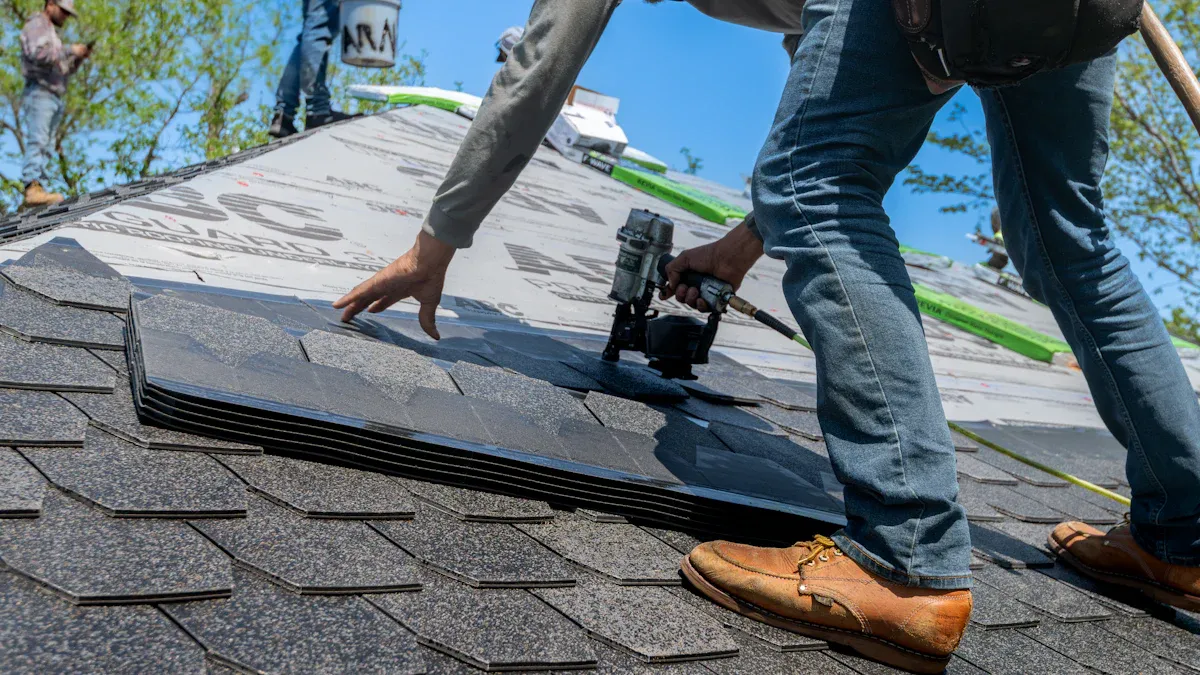
If you see waterproofing failure, act fast. Fixing problems early stops building deterioration. It also keeps your property safe. Here are steps to fix common issues.
Start by taking off finishes that look damaged. Paint, tiles, or plaster can hide water damage. If you leave damaged finishes, moisture spreads and causes more building deterioration. Use tools like scrapers or chisels to remove loose material. Always wear gloves and a mask for safety from dust and mold.
Tip: Look for soft spots or color changes. These can mean water caused deterioration under the surface.
After removing damaged finishes, put in a new waterproofing membrane. Old membranes can crack or peel and let water inside. New technology gives better repair options. Some membranes have self-healing polymers. These fix small cracks by themselves, so you repair less often. Some use eco-friendly materials that help the environment and lower harmful chemicals. Digital integration uses sensors and smart monitoring. This lets you track moisture and predict problems before they get worse.
Self-healing polymers fix tiny cracks automatically.
Eco-friendly membranes use recyclable materials and low-VOC formulas.
Digital integration helps you plan maintenance and save money.
You need to restore the waterproof barrier to stop more deterioration. Put on the new membrane with care. Cover every corner and joint. Use a brush or roller for small spots. For big areas, use spray equipment. Always follow the manufacturer’s instructions. When you finish, check for leaks with a water test. This helps prevent future building deterioration and keeps your waterproofing strong.
Step | Action | Why It Matters |
|---|---|---|
Surface Cleaning | Remove dirt and debris | Makes sure things stick well |
Membrane Application | Put on new waterproofing layer | Blocks water from getting in |
Leak Testing | Check for leaks after repair | Shows if the barrier works |
Alert: Never skip leak testing. Finding leaks early saves money and stops deterioration.
Check your building often to find waterproofing problems early. Look at the roof, basement, balconies, and windows for leaks. Search for stains, peeling paint, or musty smells. Walk around after heavy rain. You might see puddles or wet spots near the foundation. These signs mean water is getting inside. Plan to inspect your building two times a year. If your building is old or it rains a lot, check more often.
Tip: Finding problems early helps you stop damage and save money.
A simple checklist helps keep your waterproofing system strong. Use this list to help you with regular care:
Clean gutters and drains so water flows away.
Remove leaves and debris from the roof.
Look for cracks in walls and seal them fast.
Make sure the ground slopes away from the foundation.
Patch and recoat damaged waterproofing membranes.
Check and replace worn seals around windows and doors.
Add more sealant or coating if you see weak spots.
Install drainage systems to control groundwater and stop flooding.
Task | Frequency | Why It Matters |
|---|---|---|
Gutter cleaning | Every 3 months | Stops water from building up |
Roof surface cleaning | Twice a year | Prevents roof damage |
Crack sealing | As needed | Keeps moisture out |
Drainage check | Every 6 months | Keeps the foundation dry |
Act quickly when you see moisture or leaks. Seal small cracks right away. Patch damaged membranes before water spreads. Replace old seals to keep windows and doors tight. If water pools near your building, fix the drainage. Add splash blocks or extensions to move water away. Put on new coatings if you see wear. Fast action stops moisture from making bigger problems.
Alert: Do not wait for damage to get worse. Fixing problems early protects your building and keeps waterproofing working well.
You might see waterproofing problems in buildings. These can be leaks in roofs, basements, balconies, or windows. Cracks in walls can also let water in. You can fix these problems by picking good materials. Make sure surfaces are ready before you start. Use the right way to put on waterproofing. Check your building often for leaks or cracks. Fix problems quickly to keep your property safe.
Start checking your building now. Fix any waterproofing problems before they get bigger.
You may see water stains, peeling paint, or musty smells. Cracks in walls or floors can also mean water gets inside. Check your building often for these signs.
Inspect your building two times each year. After heavy rain, look for leaks or wet spots. Early checks help you stop damage before it spreads.
You should contact a waterproofing specialist for repairs. They know how to fix leaks and cracks. For best results, engage certified waterproofing applicators.
You can prevent problems by cleaning gutters, sealing cracks, and checking drainage. Regular care keeps your building safe from water damage.
Focus on the roof, basement, balconies, windows, and foundation. These parts of your building often let water inside. Inspect them often to keep your building dry.