
Views: 0 Author: Site Editor Publish Time: 2026-06-10 Origin: Site


Did you know that nearly 60% of basements suffer from moisture issues? Below-grade waterproofing is essential to protect these spaces. It prevents water damage and mold growth in basements and foundations. In this post, you’ll learn what below-grade waterproofing is, why it matters, and how it safeguards your property long-term.
A below-grade moisture barrier is a protective layer installed on or around structures below ground level, like basements or foundation walls. Its main job is to stop water from seeping through soil and concrete into the building. This barrier acts like a shield, preventing moisture from causing damage or creating damp conditions inside.
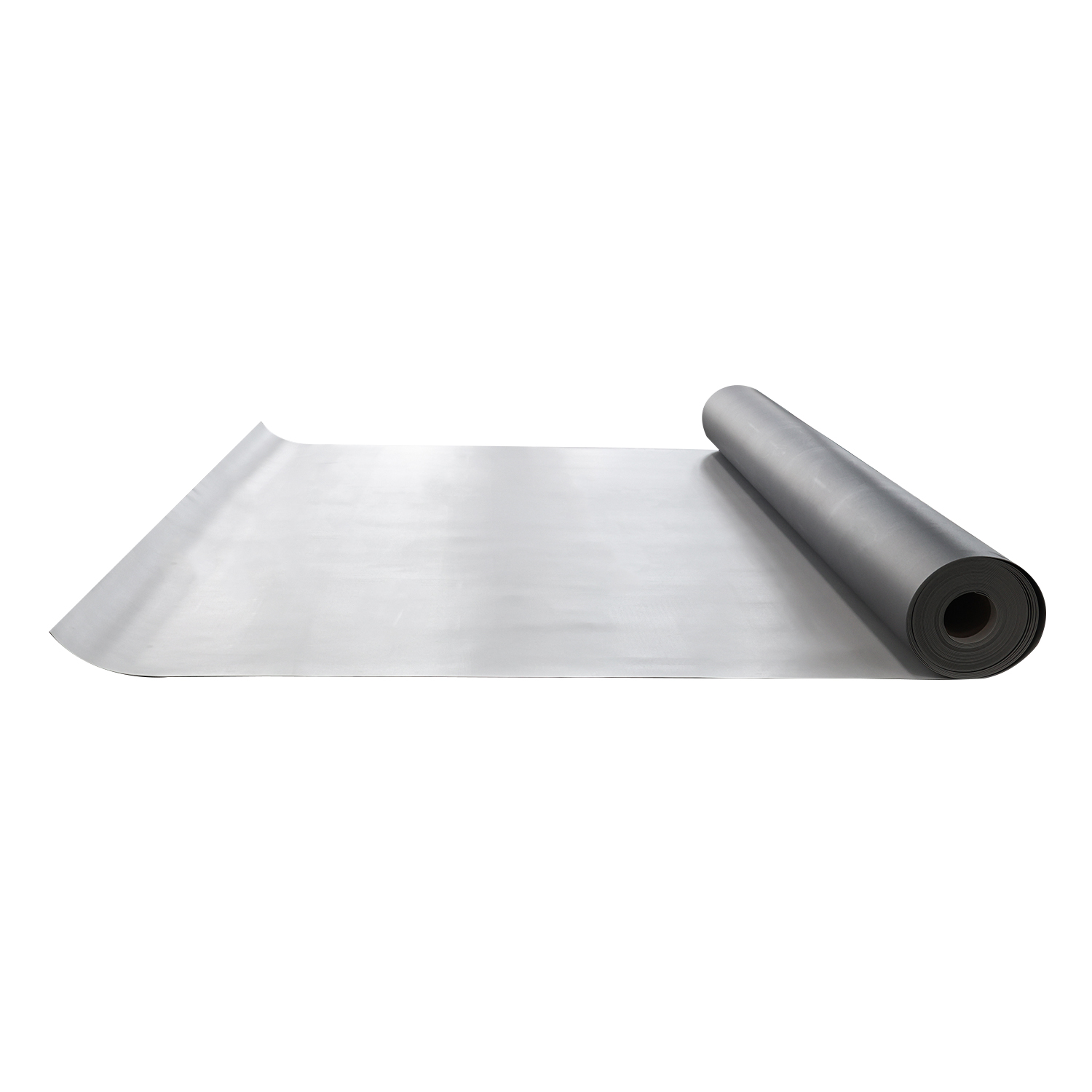
Most moisture barriers use tough, waterproof materials designed to last long underground. High-Density Polyethylene (HDPE) is one of the most common materials. It’s strong, flexible, and resistant to chemicals and punctures. Other materials include:
Polyvinyl Chloride (PVC): Flexible and easy to install, but less durable than HDPE.
Bentonite Clay: Swells when wet to seal gaps but requires careful installation.
Bituminous Membranes: Thick, sticky layers often used in commercial projects.
Among these, HDPE membranes stand out because they resist pressure from soil and water, making them ideal for basement waterproofing.
Though often used interchangeably, moisture barriers and waterproofing membranes serve related but distinct roles:
Moisture Barriers: Primarily stop water vapor and minor moisture from passing through walls or floors. They are usually thinner and focus on vapor control.
Waterproofing Membranes: Designed to block liquid water under pressure, especially groundwater pushing against foundations. These membranes are thicker, more durable, and sometimes include drainage features.
For below-grade applications, waterproofing membranes are often necessary because they handle hydrostatic pressure better than simple moisture barriers.
Below-grade moisture barriers work by creating a continuous, sealed layer that blocks water from entering the structure. Many modern membranes have a dimpled or textured surface that forms an air gap between the barrier and the foundation wall. This gap helps:
Drain water downward to perimeter drainage systems like French drains.
Reduce hydrostatic pressure by allowing water to flow freely rather than build up.
Promote drying by letting trapped moisture evaporate.
Together, these features prevent water from pooling against the foundation, reducing the risk of leaks, mold, and structural damage caused by prolonged moisture exposure.
Note: Choosing the right material and proper installation method for below-grade moisture barriers is crucial to ensure effective long-term waterproofing and foundation protection.
Installing below-grade moisture barriers offers several vital advantages that protect your basement and foundation from long-term damage. These benefits extend beyond simple water resistance, enhancing the overall health, safety, and value of your property.
Moisture trapped in basements creates the perfect environment for mold and mildew. These fungi thrive in damp conditions, damaging building materials and posing health risks such as allergies and respiratory problems. Moisture barriers stop water infiltration, keeping walls and floors dry, which effectively prevents mold spores from taking hold. This proactive protection safeguards both your building structure and the indoor air quality.
Water can weaken concrete and erode soil supporting your foundation. Over time, this leads to cracks, settling, or even structural failure. Below-grade moisture barriers act as a shield, blocking water from seeping into foundation walls and floor slabs. By reducing hydrostatic pressure and water exposure, these barriers preserve the integrity of your foundation, extending its lifespan and maintaining the building’s stability.
Ignoring basement moisture often results in costly repairs like foundation patching, mold remediation, and interior damage replacement. Investing in a quality moisture barrier upfront can prevent these expenses. It minimizes the need for emergency fixes and reduces ongoing maintenance costs. Over the long term, this saves property owners significant money and avoids disruption caused by water damage.
Basements without proper moisture control often suffer from damp, musty odors and poor air quality. Moisture barriers help maintain a dry environment, reducing humidity and preventing mold growth. This creates a healthier indoor atmosphere, especially important in homes with children, elderly residents, or anyone with respiratory sensitivities. Dry basements also contribute to better overall ventilation and comfort throughout the building.
A dry basement is more functional and attractive for living or storage purposes. Moisture barriers enable homeowners and builders to finish basement rooms without fear of dampness ruining walls, flooring, or furnishings. This increases usable square footage, adds value to the property, and allows for more flexible space planning. Whether for a home office, recreation room, or rental unit, moisture control is essential for comfortable, practical basement use.
Tip: Always choose moisture barriers designed for your specific soil and water conditions to maximize protection and avoid costly retrofits later.
Below-grade waterproofing comes in several types and methods, each suited for different site conditions, access limitations, and project requirements. Understanding these options helps you choose the right approach to keep basements and foundations dry for the long term.
Positive side waterproofing involves applying the waterproofing membrane on the outside face of foundation walls. This method is often preferred because it blocks water before it reaches the structure, reducing hydrostatic pressure on the walls. Advantages include:
Early water interception prevents seepage.
Easier inspection and maintenance.
Longer membrane lifespan due to less exposure to interior conditions.
Compatibility with drainage systems that channel water away.
This approach requires excavation around the building, so it’s best for new construction or when exterior access is possible.

Negative side waterproofing applies membranes or coatings to the inside surface of basement walls. It’s used when exterior access is restricted or during retrofit projects. While it can stop water infiltration temporarily, limitations include:
Water pressure remains on the exterior wall, potentially causing damage.
Membranes may be less durable due to interior conditions.
Does not address hydrostatic pressure or groundwater drainage.
Requires regular maintenance and monitoring.
Negative side solutions are often combined with interior drainage systems to manage water that penetrates.
Blind side waterproofing installs membranes between the soil and the foundation slab or walls before the concrete pour. This method suits tight urban sites or where excavation isn’t feasible. Key points:
Protects foundation without disturbing existing landscaping or structures.
Requires precise installation before concrete placement.
Often paired with drainage layers to redirect water.
Can be more costly due to specialized installation.
Blind side systems provide robust protection but demand careful planning and coordination.
Several high-performance membranes dominate below-grade waterproofing:
DELTA®-MS: A dimpled HDPE membrane creating an air gap for drainage and drying, ideal for positive side applications.
Platon® Foundation Barrier: Durable, easy-to-install membrane with a rugged texture, suitable for both new builds and renovations.
Bentonite Clay Panels: Self-sealing and effective but sensitive to installation quality.
Bituminous Membranes: Thick, sticky layers used in commercial projects, requiring skilled application.
Choosing the right membrane depends on project needs, soil conditions, and expected water exposure.
Waterproofing membranes work best when combined with effective drainage and sealing:
Drainage Systems: French drains, footing drains, and sump pumps divert water away, reducing hydrostatic pressure.
Sealants and Fasteners: Ensure membranes remain watertight at seams, corners, and penetrations.
Drainage Boards: Protect membranes from soil while channeling water.
Proper integration prevents water buildup and extends membrane life.
Tip: When selecting a waterproofing method, always consider site access, soil moisture, and water table levels to choose the most effective system for your project.
Below-grade moisture barriers protect basements and foundations by combining waterproofing and drainage features. Their design tackles water pressure and moisture from multiple angles to keep structures dry and safe.
The core function of a moisture barrier is to block liquid water, even when groundwater pushes hard against foundation walls. Hydrostatic pressure builds as water accumulates in soil around the basement, pressing against concrete. A quality membrane, often made of HDPE, forms an impermeable shield that stops water from seeping through cracks or porous materials.This waterproofing layer must be strong and continuous, without gaps or tears. Seams are carefully sealed to prevent leaks. When installed correctly, the membrane handles water pressure without failure, protecting the foundation from moisture intrusion.
Many modern below-grade membranes feature a dimpled or textured surface. These dimples create a small air gap between the membrane and the foundation wall. This gap serves several purposes:
Water Drainage: It channels water downward instead of letting it pool against the wall.
Pressure Reduction: By allowing water to flow freely, it reduces hydrostatic pressure.
Drying: The air gap promotes evaporation of trapped moisture, helping walls stay dry.
This design is common in products like DELTA®-MS, which use the dimpled structure to enhance drainage and drying, increasing the barrier’s effectiveness.
Below-grade moisture barriers work best when combined with drainage systems. Water collected in the air gap or behind the membrane is directed toward perimeter drains such as French drains or footing drains. These systems consist of gravel-filled trenches with perforated pipes that carry water away from the foundation.By actively removing water, drainage systems prevent buildup that could overwhelm the membrane. This reduces the risk of leaks and structural damage due to prolonged moisture exposure.
Proper installation is critical for below-grade moisture barriers to function as intended. Sealants are applied at seams, corners, and penetrations to create a watertight seal. Fasteners secure the membrane to the foundation, preventing displacement during backfilling or soil movement.High-quality sealants and fasteners maintain the barrier’s integrity over time. They prevent water from sneaking in at vulnerable points, ensuring long-term protection.
Tip: Inspect all membrane seams and fasteners carefully during installation to guarantee a continuous, watertight barrier that withstands hydrostatic pressure and soil movement.
Installing below-grade moisture barriers requires precision and expertise. While some products may seem easy to apply, professional installation ensures the membrane is continuous, sealed, and properly integrated with drainage systems. Experts understand soil conditions, water table levels, and structural details that influence installation success. DIY attempts risk gaps, tears, or improper sealing that lead to leaks and costly repairs later. A professional also guarantees compliance with building codes and industry standards, providing peace of mind and often a warranty.
Membrane damage during installation is a frequent problem, often caused by sharp objects, heavy equipment, or careless handling. Steel reinforcements can puncture or tear membranes if not carefully coordinated. To avoid damage:
Inspect the membrane before and after steel placement.
Use protective layers or drainage boards over membranes.
Train workers on proper handling and placement techniques.
Plan installation sequence to minimize exposure and risk.
Avoid walking directly on membranes and protect them during backfilling. Any punctures must be repaired immediately with compatible patch materials.
Quality assurance (QA) is vital to ensure the moisture barrier performs as intended. Regular inspections during installation catch errors early. Key QA steps include:
Verifying membrane continuity and proper overlap of seams.
Checking sealant application at joints and penetrations.
Ensuring fasteners are secure without damaging the membrane.
Confirming drainage components are correctly installed.
Documenting installation for accountability and future reference.
QA teams should include waterproofing specialists who understand material properties and installation challenges.
Proper timing is crucial to avoid membrane damage and ensure effective waterproofing. Typically, the moisture barrier is installed after excavation and foundation wall preparation but before steel reinforcement placement. This sequence allows:
Membrane installation on clean, smooth surfaces.
Protection of the membrane during steel installation.
Seamless integration with drainage and sealants before concrete pour.
Delays or rushed installation can cause shortcuts or membrane exposure to harsh conditions. Coordination among trades is essential for smooth sequencing.
Every site has unique soil and water conditions requiring tailored waterproofing solutions. For example:
High water tables demand robust membranes and enhanced drainage.
Clay soils may require additional protection against swelling and pressure.
Sandy soils need membranes resistant to abrasion and puncture.
Professionals assess soil reports and groundwater data to customize membrane type, thickness, and installation method. This customization improves durability and long-term performance.
Tip: Always hire experienced waterproofing contractors who perform thorough site assessments and follow strict quality assurance protocols to ensure your below-grade moisture barrier installation is flawless and durable.
One of the most frequent problems during below-grade waterproofing is damage to membranes caused by steel reinforcement. Steel bars, chairs, and other rebar components can easily puncture or tear the waterproofing membrane if not handled carefully. Since steel installation and waterproofing are often done by different trades, lack of coordination leads to accidental membrane damage before concrete is poured.Shotcrete applications also pose risks. When membranes get sandwiched between shotcrete layers, poor workmanship can create voids or pathways for water. Spray concrete must be applied skillfully around steel cages to avoid gaps. Without proper inspection, these defects remain hidden, resulting in leaks later.
Waterproofing components like bentonite or synthetic waterstops are sensitive to moisture exposure before concrete placement. If exposed too long to rain or puddles, they activate prematurely and lose effectiveness. Workers trampling on wet membranes or waterstops can damage or dislodge them, compromising the waterproofing system.Timing installation to avoid weather exposure and drying membranes quickly is crucial. Regular inspection and repair before concrete pouring ensure these materials perform as intended.
Waterproofing around structural features such as piles, beams, and corners is complex and often problematic. These areas have multiple penetrations and changes in geometry, making it difficult to maintain a continuous, sealed membrane.Early coordination during design and installation is essential. Discussing details with waterproofing suppliers and installers helps develop solutions for tight spots. Frequent inspections during construction catch potential failures before they become leaks.
Once waterproofing fails and leaks appear, remedies are costly and disruptive. Common fixes include:
Epoxy Injection: Drilling holes inside the concrete and injecting epoxy to seal cracks. This is labor-intensive, often requiring multiple treatments over years, and may not guarantee permanent results.
Interior Drainage Systems: Installing dimpled membranes and channel drains behind basement walls to collect water. While effective in managing leaks, these systems reduce usable space and require ongoing maintenance.
Drip Trays and Gutters: Custom gutters divert water dripping from ceilings. This is a last-resort, non-durable solution that addresses symptoms rather than causes.
Ignoring waterproofing or using subpar methods leads to serious long-term risks:
Structural deterioration from ongoing water intrusion.
Mold growth affecting indoor air quality and health.
Increased repair costs and potential property value loss.
Corrosion of steel reinforcement inside concrete.
Reduced lifespan of the building foundation.
Regular maintenance and inspection of waterproofing systems help catch issues early. Proactive repairs extend the barrier’s life and protect the building.
Tip: Coordinate waterproofing and steel installation teams closely and schedule inspections to prevent membrane damage and ensure durable below-grade waterproofing.
Determining whether below-grade waterproofing is necessary depends on several factors including the intended use of the space, site conditions, and budget considerations. Understanding these helps you choose the right level of protection for your basement or foundation.
Below-grade waterproofing is often categorized into four grades based on dryness expectations:
Grade 1 – Wet Is Fine: No waterproofing required. Water ingress is expected and accepted. Suitable for non-habitable spaces like utility voids or unconditioned parking garages where moisture does not affect use or safety.
Grade 2 – Damp But Functional: Stops flowing water but allows some moisture and staining. Used in areas like unconditioned carparks or service spaces where appearance and comfort are not critical.
Grade 3 – Mostly Dry: Prevents liquid water ingress but may allow some water vapor. Ideal for storage areas or parking garages with higher standards.
Grade 4 – Fully Dry & Conditioned: Waterproof and vapor-proof. Needed for occupied spaces like offices, labs, or homes where dryness and air quality are essential.
Choosing the correct grade depends on how the space will be used and the occupant’s expectations.
Waterproofing becomes essential when the below-grade space is habitable or stores valuable items. For example, finished basements, commercial offices, or labs require Grade 4 waterproofing to prevent damage and health risks from moisture.In contrast, waterproofing may be optional or minimal for utility areas or parking garages where occasional dampness is tolerable. However, even in these cases, some form of moisture control can reduce maintenance and prolong structural life.
High water tables and poor drainage increase hydrostatic pressure on basement walls and slabs, making waterproofing critical. If groundwater is within 2 meters of the slab bottom or soil remains saturated for long periods, robust waterproofing and drainage systems are necessary to prevent leaks and structural damage.Soil type also matters. Clay soils retain moisture and exert lateral pressure, requiring more durable membranes. Sandy soils drain better but may still expose foundations to water during heavy rains.
Though waterproofing adds upfront costs, it often saves money long term by preventing expensive repairs, mold remediation, and property damage. Ignoring waterproofing can lead to structural deterioration, health hazards, and reduced property value.Investing in quality membranes, proper installation, and drainage systems reduces future risks and maintenance expenses. It also preserves usable space and occupant comfort.
Durability demands selecting membranes and materials suited to site conditions and expected water exposure. Fail-safe designs often include multiple layers, integrated drainage, and redundancy like waterstops or concrete admixtures.Planning for potential soil movement, hydrostatic pressure, and construction sequencing ensures waterproofing remains intact over time. Regular inspections during and after installation help catch issues early.
Tip: Always assess site-specific factors like water table depth, soil type, and intended basement use to select the appropriate waterproofing grade and design a system that balances cost with long-term durability and protection.
Below-grade moisture barriers are vital for preventing water damage and mold in basements. Investing in quality waterproofing solutions ensures long-term structural protection and healthier indoor air. Professional assessment and expert installation maximize effectiveness and durability. Choosing reliable products like CANLON’s waterproofing membranes safeguards your property against hydrostatic pressure and soil moisture. Prioritizing below-grade waterproofing today future-proofs your basement, enhances property value, and reduces costly repairs. Trust CANLON for advanced, durable moisture barriers tailored to your site conditions.
A: Below-grade waterproofing involves installing moisture barriers on foundation walls or basements below ground level to prevent water infiltration, protecting structures from damage and mold growth.
A: They create a sealed, waterproof layer combined with drainage features like dimpled membranes and French drains to channel water away and reduce hydrostatic pressure.
A: High-Density Polyethylene (HDPE) membranes are popular for durability, along with PVC, bentonite clay, and bituminous membranes depending on the project needs.
A: Costs vary by method and site conditions but investing upfront saves money by preventing costly repairs and mold remediation later.
A: Professional installation is recommended to ensure proper sealing, integration with drainage, and compliance with building standards, avoiding leaks and damage.