
Views: 0 Author: Site Editor Publish Time: 2026-06-25 Origin: Site


Did you know water damage causes millions in foundation repairs yearly? Below-Grade Waterproofing is key to preventing this. It protects basements and foundations from moisture and structural damage. In this post, you’ll learn what below-grade waterproofing is, why it matters, and how foundation protection systems work.
Below-grade waterproofing refers to methods and materials used to prevent water from penetrating the parts of a building located below ground level, such as foundations, basements, and underground walls. These areas are in direct contact with soil and groundwater, making them vulnerable to moisture intrusion. Waterproofing here is critical because water can cause structural damage, mold growth, and deterioration of building materials.The process typically involves applying barriers or coatings to the exterior or interior surfaces of below-grade structures. These barriers block water and moisture from entering, preserving the building’s integrity and usability. The system must withstand hydrostatic pressure—the force exerted by water in the soil pushing against the foundation.
Below-grade waterproofing systems consist of several essential components and materials designed to work together:
Waterproofing Membranes: These can be sheet membranes, fluid-applied membranes, or bentonite clay liners. Membranes create a continuous, impermeable barrier against water.
Drainage Systems: Proper drainage diverts water away from the foundation, reducing pressure on waterproofing materials. This includes perimeter drains and gravel layers.
Protective Coatings: Often applied over membranes to shield them from damage during backfilling or from soil chemicals.
Sealants and Flashings: Used at joints, penetrations, and transitions to maintain a watertight seal.
Integral Waterproofing Additives: Chemicals mixed into concrete to reduce its permeability and enhance water resistance.
Materials vary based on project needs, soil conditions, and environmental factors. For example, bentonite membranes swell on contact with water to seal cracks, while fluid-applied membranes adapt well to complex shapes for seamless coverage.
Below-grade waterproofing protects structures by creating barriers that stop water and moisture from entering vulnerable areas. It tackles several challenges:
Hydrostatic Pressure: Waterproofing systems resist the force of groundwater pressing against walls and floors, preventing leaks and structural damage.
Soil Moisture: Even without standing water, soil contains moisture that can seep through porous materials like concrete. Waterproofing blocks this moisture, reducing dampness and mold risk.
Chemical and Contaminant Resistance: Waterproofing materials often resist harmful chemicals in soil and prevent gas intrusion, protecting indoor air quality.
Durability and Flexibility: Many waterproofing products accommodate building movements and settling without cracking, maintaining protection over time.
By effectively managing water infiltration, these systems preserve the foundation’s strength, prevent costly repairs, and maintain a healthy indoor environment.
Tip: When selecting below-grade waterproofing materials, always consider the specific soil and water conditions of your site to ensure the system effectively manages hydrostatic pressure and soil moisture.
Below-grade waterproofing systems come in various forms, each offering unique features and benefits tailored to specific project needs. Understanding these types helps in selecting the most effective solution for foundation protection.
Sheet membrane systems consist of pre-fabricated sheets made from materials like rubberized asphalt, thermoplastics (such as HDPE or PVC), or modified bitumen. These sheets are applied to the exterior surface of the foundation walls.Features:
Durable and resistant to punctures and tears.
Provide a continuous barrier when seams are properly sealed.
Available in various thicknesses to suit different applications.
Benefits:
Quick installation due to factory-made sheets.
Consistent quality and thickness.
Effective against hydrostatic pressure.
Can be combined with protective boards to prevent damage during backfilling.
Sheet membranes are ideal for projects where the foundation exterior is accessible and a robust, long-lasting barrier is required.
Fluid-applied membranes are liquid coatings sprayed or rolled directly onto foundation surfaces. Once cured, they form a seamless, flexible barrier.Application:
Easily applied to complex shapes and corners.
Can be used on vertical and horizontal surfaces.
Requires clean, dry surfaces for proper adhesion.
Advantages:
Seamless coverage eliminates gaps or joints.
Accommodates minor structural movements without cracking.
Often low in volatile organic compounds (VOCs), making them environmentally friendly.
Suitable for retrofit applications where sheet membranes are impractical.
Fluid-applied membranes offer versatility and ease of application, especially in confined or irregularly shaped spaces.
Bentonite systems utilize natural clay known for its swelling properties when exposed to water. These systems typically involve geosynthetic clay liners (GCLs), where bentonite is sandwiched between geotextiles.Properties:
Swells to fill cracks and gaps, creating a self-sealing effect.
Chemically stable and resistant to many soil contaminants.
Provides a durable, long-lasting waterproof barrier.
Usage:
Often installed on the exterior of foundations before backfilling.
Can be combined with other waterproofing methods for enhanced protection.
Requires confinement to maintain swelling pressure.
Bentonite is a natural, effective choice for waterproofing, especially in areas with moderate hydrostatic pressure.
Integral waterproofing involves adding chemical agents directly into the concrete mix. These agents react within the concrete to reduce its permeability.Key Aspects:
Creates a water-resistant concrete matrix.
Reduces capillary pores and blocks water pathways.
Can include crystalline admixtures that form insoluble crystals inside concrete.
Benefits:
Waterproofing is integral to the structure, not a separate layer.
Protects against water ingress through cracks and pores.
Enhances durability and lifespan of concrete foundations.
Integral systems are particularly useful for new constructions where concrete mix design can be controlled.
Tip: When choosing a below-grade waterproofing system, consider site access and foundation complexity; sheet membranes suit accessible, flat surfaces, while fluid-applied membranes excel on irregular or confined areas.
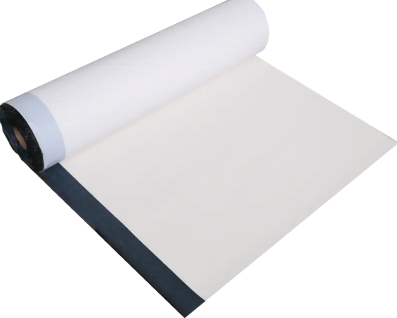
Positive-side waterproofing is applied to the exterior surface of foundation walls after construction. This method directly faces the source of water pressure, blocking moisture before it reaches the structure. It requires excavation around the foundation to expose the walls, allowing for membrane or coating application.Advantages:
Offers the most effective barrier against water intrusion.
Protects the structure from hydrostatic pressure directly.
Easier to inspect and repair since it’s on the outside.
Considerations:
Excavation can be costly and disruptive.
Not always feasible for existing buildings or in tight urban sites.
Requires careful surface preparation for adhesion.
Positive-side waterproofing is ideal for new builds or when existing foundations can be accessed safely.
Blind-side waterproofing involves applying a waterproofing membrane to the soil-facing side of the foundation before the concrete wall is poured. This method is used when excavation space is limited or when positive-side access is impossible.Key Features:
Installed on the formwork or soil side before concrete placement.
Membrane must withstand pressure from wet concrete during pouring.
Protects the foundation from water once the concrete is set.
Challenges:
Requires precise installation timing and coordination.
Membrane damage risk during concrete pouring.
Less common due to technical complexity.
Blind-side waterproofing suits urban projects with tight site constraints or deep excavations where access is restricted.
Negative-side waterproofing is applied to the interior face of foundation walls, typically in basements. It’s often a remedial method when exterior waterproofing isn’t possible.How It Works:
Coatings or membranes are applied inside to stop water that has penetrated the wall.
Usually combined with interior drainage systems to channel water away.
Limitations:
Does not prevent water pressure on the structure.
May allow moisture vapor and water to seep through cracks.
Interior finishes can be damaged by leaks or moisture.
Often considered a last resort solution.
Negative-side waterproofing is less reliable for long-term protection but useful when exterior access is unavailable.
Tip: For best results, choose positive-side waterproofing when possible; it offers superior protection by preventing water entry before it reaches the foundation.
Soil type plays a major role in selecting a below-grade waterproofing system. Some soils, like clay, hold water and swell, increasing pressure against foundations. This pressure can force water through cracks or porous materials. Sandy or gravelly soils drain better but may allow water to accumulate near the foundation if drainage is poor. Organic soils or those with contaminants require waterproofing materials resistant to chemicals and biological activity. Understanding soil behavior helps choose a system that can handle water exposure and resist damage over time.
The water table is the underground level where soil is saturated with water. A high water table means groundwater is close to the foundation, increasing hydrostatic pressure. This pressure pushes water against foundation walls and floors, raising the risk of leaks and structural damage. Waterproofing systems must be robust enough to resist this force. In cases of fluctuating water tables, systems that accommodate changing moisture levels and maintain a seal under pressure are essential. Proper drainage combined with waterproofing reduces pressure and prolongs system life.
The building’s design and how below-grade spaces are used influence waterproofing choices. For example, a basement used for storage or living space requires a higher level of protection than a crawl space. Complex foundation shapes or deep excavations may limit access, dictating specific waterproofing methods. Environmental factors such as local climate, rainfall intensity, and freeze-thaw cycles affect material selection. Areas with heavy rain or frost need waterproofing that remains flexible and durable under temperature changes. Additionally, urban sites with limited space might require blind-side waterproofing.
Geotechnical surveys provide detailed information about soil composition, groundwater levels, and potential contaminants. These surveys guide engineers and contractors in selecting appropriate waterproofing solutions tailored to site conditions. They identify risks like soil acidity, chemical exposure, or gas intrusion that could degrade certain materials. Survey data also helps design drainage systems to reduce water pressure on foundations. Integrating geotechnical insights ensures the waterproofing system is effective, durable, and suited to the project’s specific challenges.
Tip: Always perform a thorough geotechnical survey early in your project to inform waterproofing choices that match soil, water table, and environmental conditions for long-lasting foundation protection.
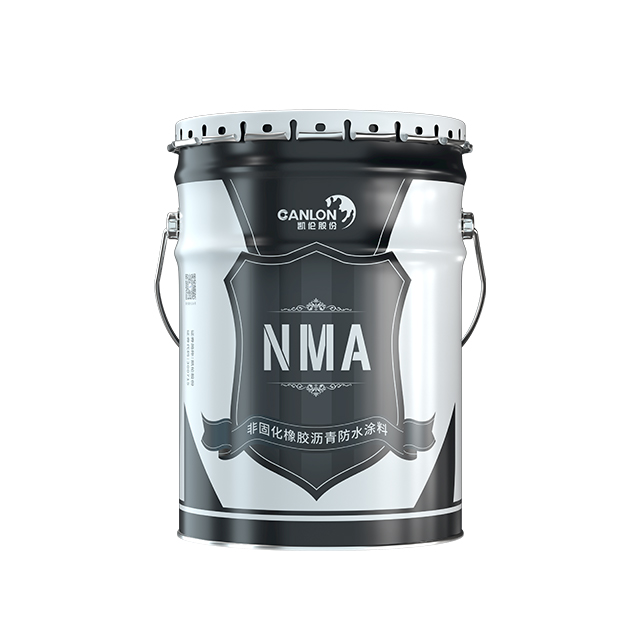
When designing a below-grade waterproofing system, maintaining the structural integrity of the foundation is crucial. Waterproofing materials must not only stop water but also work harmoniously with the building’s structural elements. For example, waterproofing membranes should accommodate slight movements caused by soil settling or temperature changes without cracking or detaching. Failure to consider this can lead to leaks or damage that compromise the foundation.The waterproofing system should be integrated early in the construction process to avoid conflicts with structural components like rebar or insulation. Additionally, the system must protect against water pressure pushing inward, which can cause cracks or erosion if unchecked. Properly designed waterproofing acts as a shield, preserving the foundation’s strength and preventing costly repairs.
Selecting materials compatible with the foundation’s construction materials is essential. Some waterproofing products can react chemically with concrete, metal, or sealants, reducing effectiveness or causing deterioration. For instance, certain bituminous membranes may not bond well to some concrete surfaces without primers.Consider environmental factors such as soil pH and chemical content, which can degrade incompatible materials over time. Choose waterproofing materials tested for durability against local soil conditions and contaminants. Also, evaluate the ease of installation and long-term maintenance needs.Materials should be flexible enough to handle structural movements but robust enough to resist punctures during backfilling. Combining different waterproofing solutions, like a membrane with integral admixtures in concrete, can enhance overall protection.
Even the best waterproofing membrane can fail if water pressure builds excessively around the foundation. Incorporating an effective drainage system is vital to relieve hydrostatic pressure and redirect water away.Common drainage components include:
Perimeter Drains: Pipes installed around the foundation base to collect and channel water.
Gravel Layers: Surrounding drains to facilitate water flow and prevent clogging.
Drainage Boards: Placed against foundation walls to create a gap for water movement.
Sump Pumps: Used in basements to remove collected water efficiently.
Proper grading of the soil surface away from the building also helps reduce surface water accumulation. Together, these measures minimize the volume and pressure of water against the foundation, prolonging waterproofing system life and protecting the structure.
Tip: Always design below-grade waterproofing systems as part of a comprehensive foundation protection strategy, combining compatible materials and effective drainage to ensure lasting performance and structural safety.
Below-grade waterproofing has evolved significantly thanks to innovative products and technologies. These advancements offer improved protection, ease of installation, and longer service life for foundation protection systems. Let’s explore the key categories of modern waterproofing products and their benefits.
Pre-applied waterproofing products are installed before concrete placement. These membranes or coatings are applied to the excavation side of the forming system or soil-facing surface, creating a barrier that concrete bonds to during pouring.Benefits include:
Early Protection: Waterproofing is in place before concrete is poured, preventing water ingress from the start.
Strong Adhesion: Products like self-adhering membranes bond tightly to concrete, blocking lateral water migration.
Resistance to Hydrostatic Pressure: Designed to withstand high water pressure common in below-grade applications.
Durability: Many pre-applied membranes resist ground movement, chemical exposure, and repeated wet/dry cycles.
Installation Efficiency: Some products come in rolls with self-adhered seams, reducing labor and installation time.
An example is advanced adhesive membranes that allow immediate foot traffic, speeding up construction schedules.
Post-applied membranes are installed after concrete walls are constructed. These include sheet membranes and fluid-applied coatings applied directly to the foundation's exterior.Key features:
Flexibility: Elastomeric membranes accommodate concrete shrinkage and minor structural movements without cracking.
Controlled Thickness: Factory-made sheets maintain consistent thickness for reliable waterproofing.
Chemical Resistance: Many membranes protect against soil chemicals and gas vapor intrusion.
Cold Application: Some products avoid open flames, enhancing safety on site.
Self-Adhesive Overlaps: Simplify installation and improve seam integrity.
Post-applied membranes are ideal for projects where pre-applied options are not feasible or when retrofitting existing structures.
Fluid-applied waterproofing products are liquid coatings sprayed or rolled onto surfaces. Once cured, they form seamless, flexible barriers.Advantages include:
Seamless Coverage: No joints or seams reduce leak risks.
Adaptability: Easily applied on complex shapes, corners, and confined spaces.
Low VOC Content: Many products are environmentally friendly and safe for workers.
Cold Application: No open flames needed, improving safety.
Durability: Resist UV, temperature changes, and physical wear.
Their versatility makes fluid-applied membranes a top choice for irregular foundation geometries or retrofit projects.
Bentonite membranes use natural clay that swells upon water contact, sealing cracks and gaps automatically.Notable attributes:
Self-Sealing: Expands to fill punctures or small cracks, maintaining waterproof integrity.
Chemical Stability: Resistant to many soil contaminants and aggressive environments.
Long-Lasting: Durable over the life of the structure.
Ease of Installation: Usually comes as geosynthetic clay liners (GCLs) that are easy to handle and apply.
Eco-Friendly: Natural material with minimal environmental impact.
Bentonite systems are excellent when combined with other waterproofing methods, especially in moderate hydrostatic pressure conditions.
Tip: Select waterproofing products based on site conditions, installation timing, and environmental factors to maximize protection and ensure long-term foundation durability.
Maintaining below-grade waterproofing systems regularly is key to ensuring their long-term effectiveness. Routine maintenance includes visual inspections of accessible areas to check for signs of damage, such as cracks, blisters, or punctures in membranes. Drainage systems should be cleared of debris to prevent water buildup near the foundation. Sump pumps, if installed, require testing and servicing to confirm proper operation. Any landscaping or grading changes near the foundation should be monitored to avoid directing water toward the structure.Periodic cleaning of protective coatings and membranes helps prevent deterioration caused by soil chemicals or biological growth. For fluid-applied membranes, checking for peeling or cracking is important, especially after freeze-thaw cycles. Maintaining sealants and flashings around penetrations ensures no gaps develop over time. Documenting inspection findings and repairs supports proactive management and helps plan future maintenance.
Early detection of waterproofing failures can save costly repairs. Common failure signs include damp or wet basement walls, mold growth, efflorescence (white salt deposits), or musty odors inside below-grade spaces. Exterior signs may involve soil erosion near the foundation or pooling water.Leaks often originate at membrane seams, penetrations, or where materials have been damaged during backfilling. Cracks in concrete foundations or settlement can also compromise waterproofing integrity. If water infiltration is suspected, specialized testing such as infrared thermography or moisture meters can pinpoint problem areas.Once identified, repairs depend on the failure type. Small membrane tears can be patched using compatible materials. Drainage improvements may be necessary if water accumulation increases pressure on the foundation. In severe cases, partial excavation and membrane replacement might be required. Consulting waterproofing professionals ensures repairs restore system performance and comply with standards.
Several strategies help maximize the lifespan of below-grade waterproofing systems:
Quality Installation: Proper installation from the start reduces early failures. This includes surface preparation, correct material application, and protection during backfilling.
Integrated Drainage: Combining waterproofing with effective drainage reduces hydrostatic pressure, preventing stress on membranes.
Use of Durable Materials: Selecting products designed for local soil chemistry and environmental conditions enhances durability.
Regular Inspections: Scheduled inspections catch issues early before they worsen.
Prompt Repairs: Addressing minor damage quickly prevents water from penetrating and causing structural harm.
Environmental Control: Managing landscaping and surface water flow away from the foundation limits exposure to moisture.
By following these practices, building owners can protect their investment, reduce maintenance costs, and maintain a healthy, dry below-grade environment for decades.
Tip: Schedule routine inspections and clean drainage systems annually to catch early waterproofing issues and extend foundation protection system life.
Below-grade waterproofing is essential for protecting foundations from water damage and structural issues. Proper installation ensures durability, moisture resistance, and long-term building health. Effective waterproofing combined with drainage prevents costly repairs and mold growth. Professional assessment and installation guarantee the best system tailored to site conditions. www.canlon.com CANLON offers advanced waterproofing products that deliver reliable protection and ease of application, making foundation safeguarding efficient and lasting. Trust CANLON for durable solutions that preserve your building’s integrity.
A: Below-grade waterproofing involves methods and materials used to prevent water from penetrating building parts below ground level, such as foundations and basements, protecting structural integrity and indoor air quality.
A: It creates barriers against water and moisture, resisting hydrostatic pressure and soil moisture to prevent leaks, mold growth, and structural damage.
A: It prevents costly repairs by stopping water intrusion that can cause foundation deterioration, mold, and unhealthy indoor environments.
A: Soil conditions, water table level, building design, and environmental factors determine the suitable waterproofing system.
A: Costs vary based on system type, site conditions, and project size; excavation and material choices significantly impact price.
A: Fluid-applied membranes offer seamless coverage, flexibility, and ease of application on complex shapes, making them ideal for retrofit projects.
A: Regular inspections, clearing drainage systems, testing sump pumps, and prompt repairs help extend waterproofing lifespan.
A: Identify leaks early, patch membrane damage, improve drainage, or consult professionals for repairs to restore protection.