
Views: 0 Author: Site Editor Publish Time: 2026-06-15 Origin: Site


Is your basement damp or prone to leaks? Water damage can cause serious structural problems. Below-Grade Waterproofing is key to preventing these issues. In this post, you’ll learn how waterproofing systems stop moisture and protect your basement’s foundation from damage.
Basements often face moisture issues due to several key factors. Understanding these causes helps us choose the right waterproofing system and protect the basement effectively.
Hydrostatic pressure occurs when groundwater pushes against basement walls and floors. When soil around the foundation becomes saturated, water pressure builds up. This pressure forces water through cracks, joints, or porous concrete, causing leaks and dampness. Over time, hydrostatic pressure can weaken the foundation, leading to structural damage like cracks or wall bowing.
Improper drainage around a house is a common cause of basement moisture. If the ground slopes toward the foundation or gutters and downspouts are clogged, rainwater pools near the basement walls. This standing water increases the risk of seepage into the basement. Efficient soil grading ensures water flows away from the foundation, reducing moisture problems.
Cracks in the foundation walls or floors provide direct paths for water entry. These cracks may form due to settling, temperature changes, or construction defects. Additionally, concrete is naturally porous, allowing water vapor or liquid to migrate through if not properly sealed. Without effective waterproofing, moisture penetrates, causing damp spots and potential mold growth.
Basements tend to have cooler surfaces and higher humidity levels. When warm, moist air contacts cold basement walls or pipes, condensation forms. This moisture buildup can lead to dampness, musty odors, and mold growth. Poor ventilation worsens this problem by trapping humid air inside the basement.
Leaking pipes or faulty plumbing fixtures inside or near the basement can cause water accumulation. Similarly, malfunctioning gutters or downspouts that fail to direct water away from the house contribute to water pooling around the foundation. Both issues increase the risk of basement water damage and require prompt repair.
Note: Regularly inspect your basement’s exterior grading, gutters, and plumbing to prevent moisture problems before they escalate.
When it comes to protecting basements from water damage, several below-grade waterproofing systems exist. Each type suits different basement conditions and moisture challenges. Understanding these systems helps in choosing the right solution for lasting protection.
Type A waterproofing acts as a physical barrier preventing water from penetrating basement walls and floors. It involves applying waterproof membranes or coatings on the exterior or interior surfaces.
Materials: Cementitious coatings, bituminous membranes, liquid-applied membranes, or sheet membranes.
Applications: Ideal for new constructions or areas with moderate water pressure.
Advantages: Creates a continuous waterproof layer; effective against water seepage.
Limitations: If cracks develop or membrane is punctured, water can penetrate; may require excavation for exterior application.
This system is often used in combination with drainage solutions to reduce hydrostatic pressure.
Type B systems integrate waterproofing into the structure itself. They rely on waterproof concrete or additives that make the foundation inherently resistant to water ingress.
Materials: Waterproof concrete mixes, crystalline waterproofing admixtures, integral water repellents.
Applications: Common in new builds where waterproofing is designed into the foundation.
Advantages: Long-lasting protection; no need for external membranes.
Limitations: Less effective if cracks develop; requires precise construction methods.
Type B systems provide a robust defense by preventing water from entering through the concrete itself.
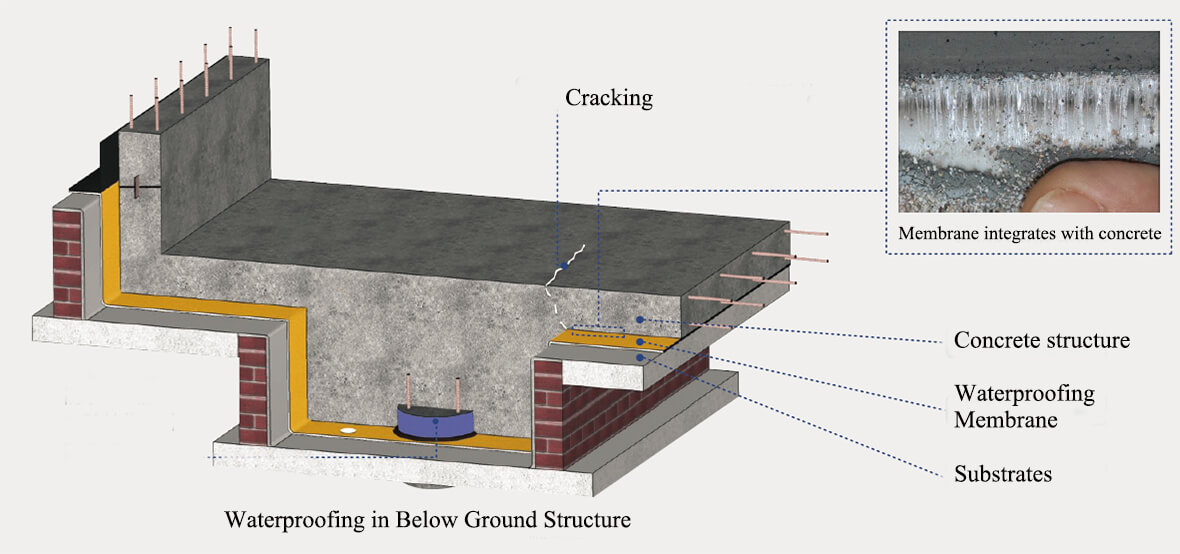
Type C systems manage water that enters the basement by collecting it and directing it away internally.
Components: Cavity drain membranes installed on walls and floors, drainage channels, sump pumps.
Applications: Suitable for existing basements with persistent moisture problems.
Advantages: Controls water ingress rather than blocking it; easier to install without excavation.
Limitations: Requires ongoing maintenance; pumps must remain operational.
This system is effective in managing water from hydrostatic pressure by channeling it safely away.
| Aspect | Interior Waterproofing (Type C) | Exterior Waterproofing (Type A & B) |
|---|---|---|
| Installation | Inside basement; less invasive | Requires excavation around foundation |
| Water Management | Controls and redirects water inside | Prevents water from entering |
| Cost | Generally lower upfront cost | Higher due to labor and materials |
| Maintenance | Requires sump pump upkeep and monitoring | Lower maintenance once installed |
| Effectiveness | Good for existing problems and dampness | Best for new builds and high water tables |
| Disruption | Minimal disruption to landscaping or exterior | Potential disruption to landscaping and structure |
Choosing between interior and exterior methods depends on basement condition, budget, and water pressure severity.
Tip: When selecting a below-grade waterproofing system, consider combining barrier and drainage methods to tackle both water entry and pressure effectively for comprehensive basement protection.
Basement moisture often finds its way inside despite exterior barriers. Interior waterproofing tackles water that seeps through walls or floors, managing it to keep basements dry and structurally sound. Here are the main techniques used inside basements.
Applying interior sealants or waterproof coatings creates a protective layer on basement walls and floors. These materials include cementitious coatings, epoxy paints, or polyurethane-based sealants. They block moisture from migrating through porous concrete or minor cracks.
Advantages: Quick application, cost-effective for minor dampness, and can be DIY.
Limitations: Not suitable for heavy water pressure or large leaks; requires reapplication over time.
Sealants work best in conjunction with drainage systems, not as standalone solutions for significant water ingress.
Interior drainage systems collect water entering the basement and channel it to a sump pump for removal. Perforated pipes are installed along basement walls or beneath floors, surrounded by gravel to facilitate water flow.
French drains: A common type, these consist of a trench with perforated pipe covered by gravel or stone.
Function: They reduce hydrostatic pressure by diverting water before it pools against walls or floors.
Though effective, these systems require professional installation and regular maintenance to keep pipes clear.
Sump pumps are crucial in interior waterproofing. They pump collected water out through discharge pipes away from the foundation.
Types: Submersible pumps sit underwater in the sump pit, while pedestal pumps have motors above water.
Maintenance: Regular testing, cleaning debris from the pit, and ensuring backup power options prevent pump failure during storms.
A well-maintained sump pump protects basements from flooding and water damage.
Hydrostatic pressure relief systems install drainage pipes beneath basement floors to relieve water pressure pushing upward.
Components: Perforated pipes embedded in gravel or drainage mats beneath the slab.
Operation: Water seeps into pipes, reducing pressure and directing water to sump pumps.
Though installation is complex and costly, these systems effectively prevent water intrusion through floors.
Cracks in basement walls or floors allow water entry and threaten structural integrity. Crack injection seals these openings internally.
Materials: Polyurethane injections expand to fill gaps and block water; epoxy injections bond cracks and restore strength.
Application: Requires cleaning cracks, injecting resin under pressure, and curing.
This method is best for active leaks or structural repairs, preventing water ingress and further damage.
Tip: Regularly inspect sump pumps and drainage channels inside basements to ensure interior waterproofing systems remain effective and prevent costly water damage.
Exterior waterproofing targets water before it reaches basement walls. This method offers robust protection by sealing the outside of your foundation and managing water flow around your home.
The first step involves digging around the foundation to expose basement walls. After cleaning and repairing the surface, waterproof membranes are applied. These membranes act as a shield, blocking water from penetrating the concrete.
Materials used: Bituminous membranes, liquid-applied coatings, or advanced synthetic sheets.
Benefits: Creates a continuous, durable barrier against moisture.
Considerations: Excavation can disrupt landscaping and is labor-intensive.
Proper membrane application ensures long-term resistance to water, especially in areas with high groundwater levels.
French drains are trenches filled with gravel and perforated pipes installed around the foundation's perimeter. They collect water that accumulates near the basement and redirect it away from the structure.
Function: Reduces hydrostatic pressure by preventing water buildup.
Installation: Pipes slope away from the house toward a drainage outlet or storm sewer.
Advantages: Effective at managing surface and subsurface water.
Regular maintenance is necessary to keep drains clear of debris and fully functional.
Soil grading slopes the ground away from the foundation, encouraging water to flow away rather than pool near basement walls.
Ideal slope: At least 6 inches of drop within the first 10 feet from the house.
Landscaping tips: Use plants and hardscape features that do not trap water near the foundation.
Benefits: Prevents water accumulation that can lead to seepage.
Combining proper grading with drainage systems enhances overall waterproofing effectiveness.
Gutters and downspouts channel roof water away from the foundation. If clogged or damaged, they cause water to overflow near the basement walls.
Maintenance tasks: Regularly clean gutters, repair leaks, and ensure downspouts extend at least 5-10 feet from the house.
Benefits: Reduces water pooling and protects basement walls from excess moisture.
Tips: Consider adding splash blocks or underground drainage pipes to direct water further away.
Well-maintained gutters are a simple yet crucial part of exterior waterproofing.
Modern waterproofing products improve durability and ease of installation.
Examples: Self-adhesive membranes, spray-on polyurethane coatings, and composite drainage boards.
Advantages: Enhanced flexibility, resistance to punctures, and longer lifespan.
Applications: Suitable for various foundation types and soil conditions.
Choosing high-quality materials ensures your basement stays dry for years.
Tip: Always combine exterior waterproof membranes with proper drainage and soil grading to maximize basement protection against water damage.
Effective below-grade waterproofing provides several critical advantages that protect your basement and entire structure from moisture-related problems. Understanding these benefits highlights why investing in proper waterproofing systems is essential for long-term safety, comfort, and value.
Water intrusion weakens concrete and corrodes steel reinforcements over time. Waterproofing prevents water from seeping through cracks or porous materials, preserving the foundation's strength. By reducing hydrostatic pressure and moisture exposure, it minimizes the risk of cracks, wall bowing, and foundation settlement. This extends the lifespan of your basement and overall building structure, avoiding costly repairs or structural failures.
Basements with moisture problems often develop mold and mildew, which pose serious health risks such as allergies and respiratory issues. Effective waterproofing keeps walls and floors dry, eliminating the damp environment mold needs to thrive. This promotes better indoor air quality and a safer living space for occupants.
A dry basement opens up possibilities for additional living or storage areas. Waterproofing transforms previously unusable damp spaces into functional rooms like home offices, gyms, or entertainment zones. This added usable square footage increases your property’s market value and appeal to potential buyers.
Water damage leads to frequent repairs, repainting, and replacement of damaged materials. Waterproofing significantly lowers these maintenance needs, saving money over time. Additionally, dry basements help maintain consistent indoor humidity and temperature, reducing the load on heating and cooling systems. This improves energy efficiency and lowers utility bills.
Basements often house electrical panels, appliances, and valuable stored items. Water intrusion threatens these assets, causing electrical shorts, corrosion, or irreparable damage to possessions. Waterproofing protects these critical systems and belongings by keeping water out, ensuring safety and preserving value.
Tip: Regularly inspect and maintain your waterproofing system, including sump pumps and drainage components, to sustain these benefits and prevent unexpected basement moisture issues.
Selecting the right below-grade waterproofing system is crucial for keeping your basement dry and protecting your home's foundation. The choice depends on several factors, including the basement’s condition, soil type, water table level, budget, and compliance with industry standards. Let’s explore the key considerations to help you make an informed decision.
Start by identifying where moisture enters your basement. Look for visible cracks, damp spots, or mold growth. Determine if water seeps through walls, floors, or joints. Check for signs of condensation or plumbing leaks. Understanding the moisture source helps decide whether you need a barrier system, drainage solution, or crack repair.For example, if water pools near the foundation during heavy rain, exterior waterproofing combined with proper drainage may be necessary. If moisture appears only during humid weather, interior vapor barriers and dehumidification might suffice.
Soil type and groundwater levels greatly influence waterproofing choices. Clay soils retain water, increasing hydrostatic pressure, while sandy soils drain better but may still allow seepage. High water tables mean more pressure on basement walls and floors.Also, consider the foundation's age and condition. Older foundations with multiple cracks might require crack injection and cavity drain membrane systems. Newer builds may benefit from integrated waterproof concrete or external membranes.
Waterproofing systems vary in price and lifespan. Exterior waterproofing tends to be more expensive due to excavation and labor but offers long-lasting protection by stopping water before it reaches the basement.Interior systems like sealants, drainage membranes, and sump pumps cost less upfront and are less invasive but require ongoing maintenance. Combining both methods can provide comprehensive protection, balancing cost and effectiveness.
Ensure your waterproofing system complies with standards such as BS8102, which sets guidelines for protecting below-ground structures from water ingress. Compliance guarantees that the system meets safety, durability, and performance criteria.Professional waterproofing contractors typically design systems following these standards. This compliance also adds value and reassurance if you plan to sell your property.
While minor dampness might be manageable with DIY solutions, persistent or severe water problems call for professional assessment. Experts can perform moisture testing, soil analysis, and structural inspections to recommend the most suitable system.Professional installation ensures proper application of membranes, drainage systems, and sump pumps. They also provide warranties and maintenance advice to keep your basement dry long-term.
Tip: Before choosing a waterproofing system, conduct a thorough basement inspection and soil assessment to tailor the solution to your property's unique conditions and ensure lasting moisture protection.
When it comes to below-grade waterproofing, homeowners often wonder whether to tackle the job themselves or hire professionals. Both approaches have pros and cons. Understanding these helps you make the best choice for your basement’s protection.
DIY waterproofing usually involves simple, affordable techniques:
Applying Interior Sealants and Waterproof Paints: These create a moisture barrier on basement walls. They work well for minor damp spots but don’t stop water under pressure.
Installing Basic Drainage Systems: Some homeowners install interior French drains or sump pumps themselves. While doable, improper installation risks clogging or pump failure.
Sealing Cracks with Caulk or Epoxy: Small cracks can be filled, but this only works if cracks are stable and not leaking heavily.
Improving Exterior Grading: Adjusting soil slope around the home to direct water away is a low-cost option anyone can try.
While these methods may reduce moisture temporarily, they often don’t address the root causes like hydrostatic pressure or major leaks. DIY solutions usually lack the durability and comprehensive protection professional systems offer.
Poor waterproofing can lead to serious problems:
Persistent Moisture and Mold Growth: Incomplete sealing allows water in, promoting mold that harms health.
Foundation Cracks Worsen: Unmanaged water pressure expands cracks and weakens the foundation.
Sump Pump Failure: DIY sump pumps without backup power or proper maintenance can fail during storms.
Increased Repair Costs: Temporary fixes mean recurring water damage and expensive structural repairs later.
Ignoring professional-grade waterproofing can cost more in the long run and risk your home’s safety.
Professionals bring expertise, tools, and warranties:
Accurate Diagnosis: They identify all moisture sources and structural issues.
Tailored Solutions: Experts recommend systems fitting your soil, foundation, and water table conditions.
Quality Materials and Installation: Certified contractors use durable membranes, drainage systems, and pumps.
Compliance with Standards: Professionals ensure work meets codes like BS8102, guaranteeing safety and effectiveness.
Maintenance and Support: Specialists provide inspections, repairs, and advice to keep systems working long term.
Hiring pros saves time, reduces risks, and protects your investment.
Even after professional waterproofing, regular upkeep is key:
Inspect Sump Pumps Monthly: Test pumps, clean pits, and check alarms.
Clear Drainage Channels: Remove debris from French drains and gutters.
Monitor Basement Walls: Look for new cracks or damp spots.
Maintain Exterior Grading: Ensure soil slope directs water away.
Schedule Professional Inspections: Have experts check systems annually.
Proper maintenance extends the life of waterproofing and prevents surprises.
If you want to learn more or need help:
Property Care Association: Offers advice and lists certified waterproofers.
BS8102 Standard Documentation: Provides technical guidelines for basement waterproofing.
Local Building Authorities: Can inform about permits and codes.
Homeowner Forums and DIY Guides: Useful for basic tips but verify accuracy.
Professional Waterproofing Companies: Many offer free consultations and assessments.
Use these resources to make informed decisions and ensure lasting basement protection.
Tip: For lasting basement moisture control, combine professional waterproofing installation with regular homeowner maintenance like sump pump testing and drainage cleaning.
Effective below-grade waterproofing combines barrier systems, drainage solutions, and crack repairs to keep basements dry and strong. Investing in quality waterproofing protects your foundation from water damage and mold growth, enhancing your home's value and safety. Taking prompt action with reliable systems prevents costly repairs and maintains a healthy living environment. Trust www.canlon.com CANLON for advanced waterproofing products and expert services that deliver lasting basement protection and peace of mind.
A: Below-grade waterproofing involves protecting basement walls and floors from water intrusion. It prevents moisture buildup, structural damage, and mold growth by managing hydrostatic pressure and sealing cracks.
A: These systems use barriers, drainage membranes, and sump pumps to block or redirect water away from basement walls and floors, effectively controlling moisture and reducing hydrostatic pressure.
A: Professionals provide tailored solutions with durable materials, proper installation, and compliance with standards like BS8102, ensuring long-term basement protection unlike many DIY fixes.
A: Costs depend on basement condition, waterproofing type (interior vs. exterior), materials used, excavation needs, and system complexity.
A: Exterior methods prevent water entry but are costlier and invasive; interior systems manage water inside, are less disruptive, but require ongoing maintenance.