
Views: 0 Author: Site Editor Publish Time: 2026-07-29 Origin: Site


Below-grade water ingress presents a severe threat to commercial construction projects, compromising structural integrity, degrading concrete foundations, and accelerating rebar corrosion. Over time, these factors drastically reduce the load-bearing capacity of deep foundations. Traditional waterproofing methods often fail under continuous hydrostatic pressure. Soil settlement and aggressive subterranean chemicals further expose the limitations of legacy systems over a building's 50-plus-year lifespan.
Modern deep-foundation projects require engineered solutions designed for high-risk environments. HDPE Waterproofing Membranes serve as this standard. They provide unique mechanical bonding properties that secure long-term structural integrity. By locking directly into poured concrete, these systems eliminate lateral water migration. This ensures foundations remain dry, stable, and protected against environmental degradation, offering a verifiable impact on the longevity of commercial structures.
Mechanical Bonding: HDPE systems utilize pressure-sensitive adhesives and weather-resistant coatings to form an integral bond with poured concrete, eliminating lateral water migration.
Environmental Resilience: High-density polyethylene offers superior resistance to continuous hydrostatic pressure, ground settlement, and corrosive soil chemicals (sulfates/chlorides) compared to traditional alternatives.
Application Versatility: Ideal for zero-property-line commercial builds, HDPE excels in blind-side waterproofing applications where post-applied solutions are impossible.
Dual Barrier Protection: Beyond waterproofing, premium HDPE membranes act as certified barriers against hazardous subterranean gases like methane and radon.
Lifecycle ROI: While initial material and installation costs may be higher, the prevention of structural remediation and operational downtime delivers a highly favorable total cost of ownership.
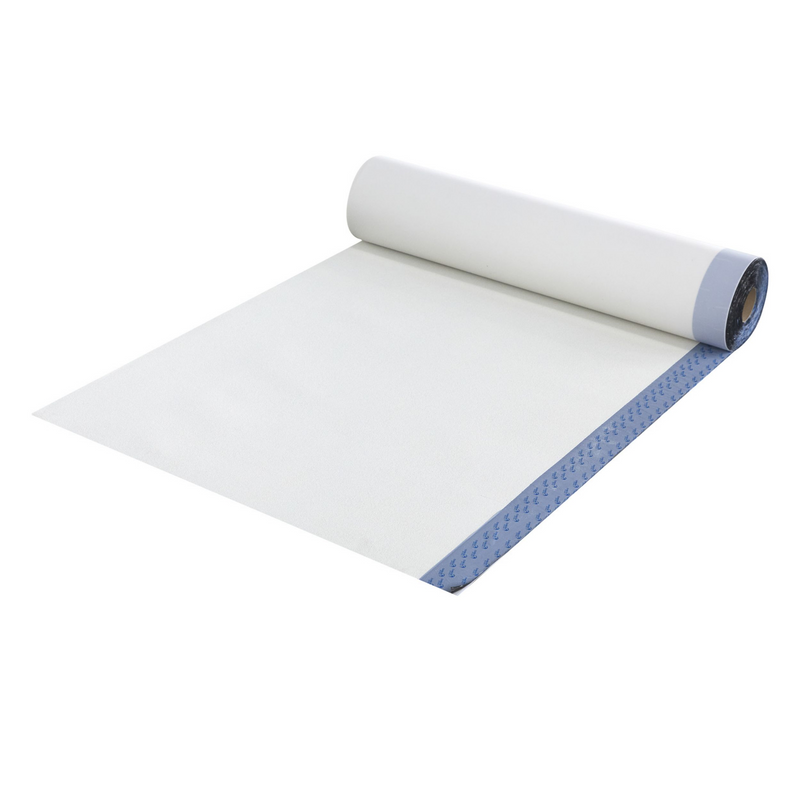
A successful commercial waterproofing specification must achieve strict criteria. It must guarantee zero water ingress and provide complete chemical isolation. The system must adapt to structural movement while offering robust gas mitigation. Meeting these demands protects the structural core from immediate and long-term environmental threats. When you are dealing with deep excavations, the margin for error is zero.
Deep foundations face immense hydrostatic pressure from surrounding groundwater. This pressure constantly pushes moisture against the exterior concrete surface. Concrete is naturally porous and prone to micro-cracking during the curing process. Water easily exploits these microscopic pathways. Once moisture penetrates the concrete matrix, it begins degrading the foundation from the inside out. Continuous pressure accelerates this intrusion, making reliable exterior barriers essential. In a 30-foot deep basement, the water pressure at the base can be substantial, forcing water through any available capillary tract in the concrete.
Groundwater often carries aggressive chemicals like chlorides and sulfates. Chlorides penetrate concrete and attack the internal steel reinforcement. This process breaks down the passive protective layer on the rebar, initiating rapid corrosion. As steel rusts, it expands significantly. This expansion causes concrete spalling, where the surface cracks and breaks away. Sulfates simultaneously attack the concrete matrix itself, weakening its structural composition. Compromised rebar and degraded concrete lead to a critical loss of structural integrity.
Chlorides in groundwater breach the concrete cover through capillary action.
The alkaline protective layer around the steel reinforcement is neutralized.
Oxidation occurs, causing the steel to expand up to six times its original volume.
Internal tensile stress fractures the surrounding concrete, leading to spalling.
Brownfield redevelopments face additional threats from subterranean gases. Methane, radon, and volatile organic compounds (VOCs) naturally migrate through soil. These hazardous gases easily penetrate porous concrete foundations. Once inside, they accumulate in basements and lower levels, posing severe health and safety risks. A continuous barrier is necessary to block vapor intrusion. Simultaneous gas and water protection ensures a safe, compliant interior environment. You cannot rely on standard vapor retarders when dealing with active methane sites; a structural-grade membrane is required.
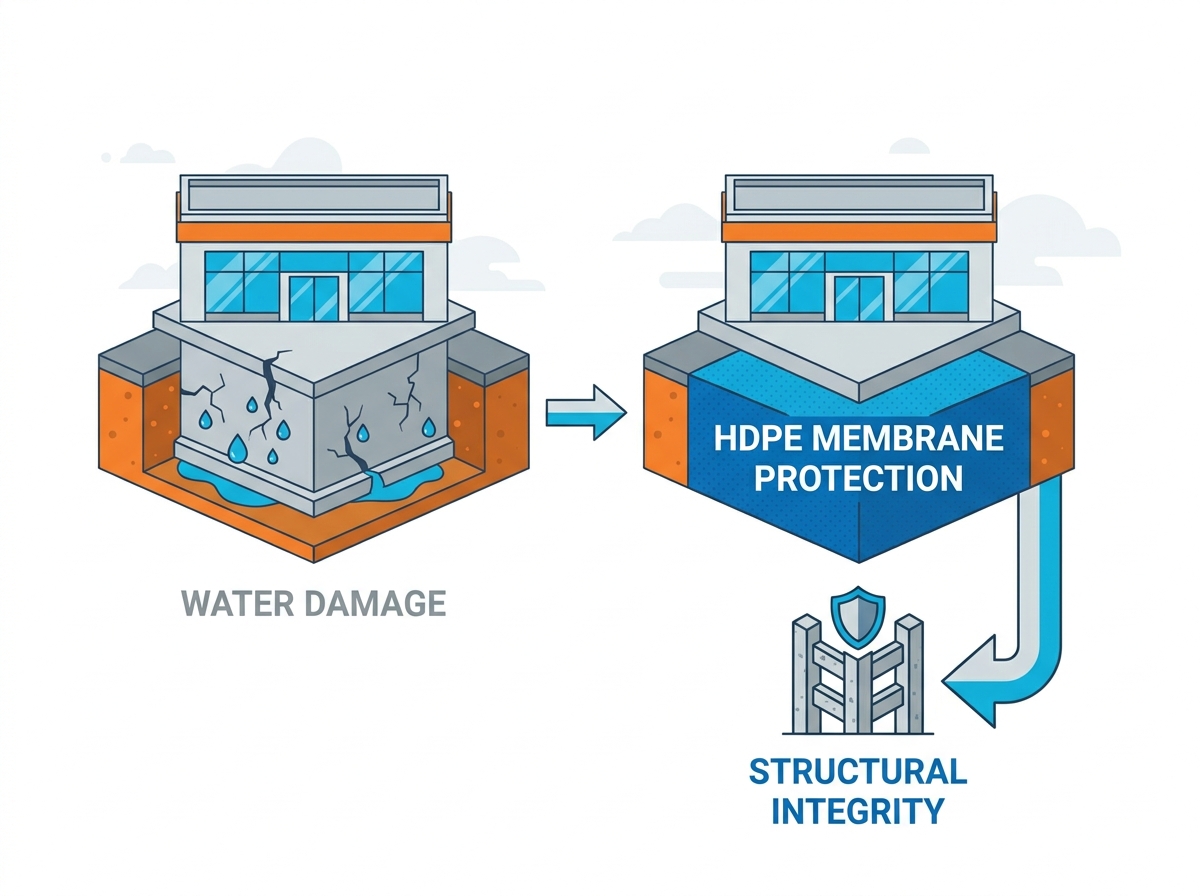
HDPE Waterproofing Membranes feature a highly engineered structural composition. They consist of a high-density polyethylene film layer and a pressure-sensitive adhesive layer. A protective particulate or weather-resistant layer shields the adhesive before concrete placement. This multi-layer design provides exceptional durability and bonding capability.
The bonding process relies on chemical and mechanical interactions during concrete hydration. When wet concrete is poured against the membrane, it interacts with the adhesive layer. As the concrete cures, the adhesive fuses with the developing Calcium Silicate Hydrate (C-S-H) gel. This reaction creates an inseparable, integral bond. The membrane essentially becomes a permanent part of the concrete structure. This monolithic integration prevents any separation between the barrier and the foundation, even if the ground settles away from the structure.
Lateral water migration occurs when water breaches a membrane and travels between the barrier and the concrete. The integral bond of HDPE systems completely eliminates this risk. If a localized puncture occurs during construction, the continuous bond contains the breach. Water cannot migrate away from the exact point of impact. This containment simplifies leak detection and prevents widespread moisture damage across the foundation wall. In field applications, this means a single rebar puncture doesn't compromise the entire wall section.
Urban commercial builds frequently feature zero-property-line designs. These projects utilize soil retention walls, elevator pits, and deep tunnels. Exterior access is completely restricted after the concrete pour. Pre-applied HDPE systems are mandatory in these blind-side applications. The membrane is installed directly against the soil retention system before placing the structural reinforcement. Post-applied solutions are physically impossible in these scenarios, making pre-applied HDPE the only viable specification.
| Application Type | Installation Timing | Typical Use Cases | Access Requirement |
|---|---|---|---|
| Pre-Applied (Blind-Side) | Before concrete pour | Zero-property-line, secant walls, elevator pits | No exterior access needed post-pour |
| Post-Applied (Positive-Side) | After concrete cures | Freestanding walls, open excavations | Requires full exterior trench access |
Specifiers must carefully evaluate waterproofing systems based on site conditions and structural demands. Comparing HDPE against legacy alternatives provides a clear evaluation framework. Different materials offer distinct performance profiles under varying environmental stressors. Field experience shows that relying on outdated systems in modern deep excavations often leads to failure.
Sodium bentonite systems rely on clay expanding upon contact with water. They require constant confinement and hydration to remain effective. In fluctuating water tables, bentonite can dry out and crack, losing its waterproofing capability. HDPE Waterproofing Membranes provide immediate, static protection regardless of moisture levels. Furthermore, bentonite is highly vulnerable to contaminated groundwater. Saltwater, acids, and industrial chemicals degrade the clay's ability to swell. HDPE remains chemically inert, offering reliable protection in harsh soil conditions.
Liquid-applied systems suffer from inconsistent thickness. Application relies entirely on contractor skill, increasing the risk of pinholes and thin spots. HDPE is factory-manufactured, ensuring a consistent, uniform mil thickness across the entire site. Schedule impacts also differ significantly. Liquid systems require fully cured, completely dry concrete for proper adhesion. Pre-applied HDPE can be installed over damp substrates and mudsills. This flexibility accelerates construction schedules and reduces weather-related delays.
Foundations experience ground shifting, soil settlement, and seismic movement over time. Rigid waterproofing systems crack under these stresses. High-density polyethylene possesses exceptional elongation and tensile strength. It stretches and adapts to structural movement without tearing or losing its bond. This flexibility ensures the waterproofing barrier remains intact even during significant seismic events or long-term settlement.
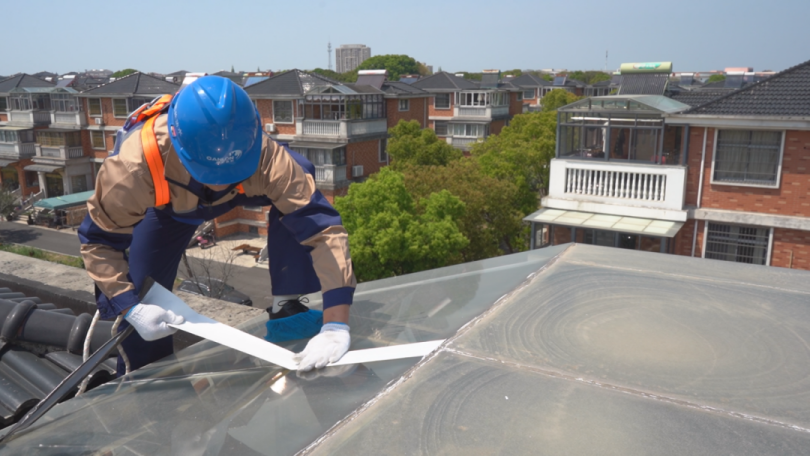
Engineers and architects rely on technical metrics to specify waterproofing systems. Evaluating these Key Performance Indicators ensures the selected material meets project demands. Standardized testing provides objective data for material comparison. You need hard data to justify the specification of premium materials.
Strict ASTM testing standards validate membrane performance. Specifiers should demand comprehensive test reports from manufacturers before approving submittals.
| ASTM Standard | Test Description | Target Metric for HDPE |
|---|---|---|
| ASTM D5385 | Hydrostatic Pressure Resistance | Resistance up to 70m (230ft) of head pressure |
| ASTM E154 | Puncture Resistance | High resistance to rebar and aggregate damage |
| ASTM D412 | Tensile Strength & Elongation | High elongation capacity for structural movement |
| ASTM D903 | Peel Adhesion to Concrete | Strong integral bond preventing lateral migration |
High-density polyethylene withstands severe chemical exposure without degradation. It resists common soil contaminants, aggressive hydrocarbons, and extreme pH levels. This chemical inertness is vital for industrial sites and urban infill projects. For brownfield sites, gas mitigation is equally critical. Specifiers must review ASTM D1434 test results for methane and radon transmission rates. Premium HDPE membranes block these hazardous gases, ensuring regulatory compliance and occupant safety.
Calculating the lifecycle value of HDPE involves evaluating long-term risk mitigation. Preventing foundation repair and tenant disruption justifies the initial specification. Extending the structural lifespan provides immense value to property developers. Additionally, specifying highly durable HDPE membranes contributes to LEED certification. These systems support credits for materials and resources, indoor environmental quality, and building life-cycle impact reduction.
Successful waterproofing relies heavily on proper installation. Mitigating on-site challenges demonstrates true implementation expertise. Strict adherence to installation protocols prevents premature system failure. A membrane is only as good as the crew installing it and the substrate it sits on.
Substrate conditions dictate the success of the installation. The subgrade requires proper compaction to prevent settling beneath the membrane. Formwork must be smooth and free of sharp protrusions that could puncture the material. Standing water must be managed and removed before membrane placement. Careful detailing around corners and transitions prevents stress concentrations. Proper preparation ensures the membrane remains undamaged prior to the concrete pour.
Weather conditions impact the adhesive layers before concrete placement. Prolonged UV exposure degrades the adhesive bonding capabilities. Dirt accumulation from wind or site traffic compromises the chemical reaction with the concrete. Extreme temperatures alter the flexibility and tackiness of the adhesive. Contractors must manage exposure times strictly according to manufacturer guidelines. Covering installed membranes or scheduling immediate concrete placement mitigates these environmental risks.
Detailing at complex penetrations requires meticulous attention. Utility pipes, structural tie-backs, and pile heads demand specialized sealing techniques. Seams must form a continuous, monolithic barrier. Contractors utilize double-sided self-adhesive tapes or thermal heat welding to secure overlaps. Standard QA/QC inspection protocols are mandatory before authorizing the concrete pour.
Conduct a visual inspection of the entire membrane surface for punctures or tears.
Verify all seams are properly overlapped and sealed according to manufacturer specs.
Perform non-destructive testing on heat-welded seams using an air lance or vacuum box.
Inspect all penetrations, tie-backs, and terminations for proper detailing and mastic application.
Remediate any damaged areas using approved patching methods before signing off for concrete placement.
HDPE waterproofing membranes have become one of the most reliable solutions for protecting below-grade commercial structures from water ingress, hydrostatic pressure, chemical attack, and long-term structural deterioration. By selecting the appropriate membrane system, ensuring proper installation, and implementing rigorous quality control throughout construction, project teams can significantly improve foundation durability, reduce maintenance costs, and extend the service life of critical infrastructure.
To achieve optimal waterproofing performance, consider the following recommendations:
Evaluate hydrostatic pressure, groundwater conditions, and soil chemistry before selecting an HDPE waterproofing system.
Specify pre-applied HDPE membranes for blindside and zero-property-line construction where exterior access is restricted.
Ensure proper substrate preparation, seam treatment, and detailing around penetrations and structural transitions.
Perform comprehensive quality inspections and testing before concrete placement to guarantee long-term waterproofing reliability.
With decades of expertise in waterproofing materials and building envelope technologies, CANLON has become a globally recognized manufacturer of high-performance waterproofing systems for commercial buildings, infrastructure, industrial facilities, and residential developments. Supported by continuous research and development, intelligent manufacturing, and strict international quality management, the company delivers innovative waterproofing products that meet the demanding requirements of modern construction projects worldwide.
From HDPE waterproofing membranes and below-grade waterproofing systems to roofing waterproofing and integrated building envelope solutions, CANLON offers comprehensive product portfolios, professional engineering consultation, customized project support, and long-term technical services. Through continuous innovation and sustainable product development, CANLON helps architects, engineers, contractors, and developers build safer, more durable, energy-efficient, and resilient structures with confidence.
A: High-density polyethylene is highly inert and resists environmental degradation. These membranes are designed to match or exceed the design life of the commercial structure. In underground applications, they typically provide reliable protection for over 100 years.
A: Yes. Their primary use case is in blind-side applications like secant walls, sheet piling, and diaphragm walls. The membrane is applied directly to the soil retention system before the structural concrete wall is poured.
A: They feature a pressure-sensitive adhesive that chemically and mechanically locks into the concrete during the curing process. If a localized puncture occurs, this integral bond prevents water from traveling between the membrane and the concrete.
A: Yes. HDPE offers exceptional resistance to subterranean threats including chlorides, sulfates, and alkalis. It also acts as a highly effective barrier against hazardous gas permeation, blocking methane and radon.
A: While HDPE generally requires a higher upfront material and labor investment, it offers significantly lower failure risks. In fluctuating water tables and contaminated environments, HDPE prevents costly remediation, delivering far superior long-term lifecycle value.
A: Seams are sealed to ensure a continuous, monolithic barrier. Installers use manufacturer-specific detailing tapes, continuous self-adhesive laps, or thermal heat-welding techniques depending on the specific membrane system and site conditions.
A: Standard manufacturer limitations typically range from 30 to 60 days, depending on geographical location and climate. Prolonged UV exposure degrades the adhesive bonding layer, compromising its ability to fuse with the concrete.