
Views: 0 Author: Site Editor Publish Time: 2026-06-12 Origin: Site


Did you know water damage causes billions in foundation repairs yearly? Below-Grade Waterproofing is essential to prevent costly issues. It protects both commercial and residential foundations from moisture and structural damage. In this post, you’ll learn about effective waterproofing solutions and how to safeguard your property long-term.
Soil type plays a huge role in below-grade waterproofing success. Some soils, like sandy or gravelly ones, drain water quickly. Others, like clay, hold water and increase pressure against foundations. Understanding the soil's drainage helps decide the waterproofing system needed. Poor drainage means water stays near the foundation longer, raising risk of leaks.
Groundwater level is key. When water table rises near or above foundation level, hydrostatic pressure builds. This pressure pushes water through tiny cracks and pores in concrete walls and floors. Even a few feet of water can exert hundreds of pounds per square foot. A waterproofing system must resist this force or include drainage to relieve pressure.
The land’s slope affects water flow around a building. If the site slopes toward the foundation, water collects there, increasing risk of seepage. Proper grading, sloping soil away, helps direct water away. Designers must consider topography to plan drainage systems and waterproofing layers effectively.
Early risk assessment is crucial. Before construction, evaluating soil, groundwater, and site slope helps choose the right waterproofing approach. It prevents costly repairs later. Geotechnical reports provide detailed soil and water data. Identifying risks early guides design of membranes, drainage, and protective layers.
Note: Early site assessment including soil and water analysis is essential for selecting effective waterproofing systems and preventing future foundation damage.
Below-grade waterproofing involves various materials and methods to keep foundations dry and safe from water damage. Choosing the right type depends on site conditions, water pressure, structural needs, and budget. Here’s a detailed look at the most common below-grade waterproofing solutions:
Crystalline waterproofing uses chemicals that react with moisture and concrete to form insoluble crystals inside the pores and micro-cracks. These crystals block water pathways permanently, sealing the concrete from within. This method is self-sealing, meaning it can fill new cracks that develop over time. It’s ideal for concrete foundations, basements, and water tanks.Benefits:
Long-lasting protection
Self-healing properties
Environmentally friendly (no toxic coatings)
Effective against high hydrostatic pressure
Cementitious waterproofing involves applying cement-based mixtures to surfaces, creating a rigid, waterproof barrier. It’s easy to apply with brushes or trowels and is commonly used in basements, water tanks, and swimming pools.Applications:
Interior walls and floors
Areas with minimal structural movement
Limitations:
Not flexible; can crack if the substrate moves
Less suitable for exterior applications exposed to harsh weather
Requires good surface preparation and multiple coats
Bituminous waterproofing uses asphalt-based materials to form a durable, flexible barrier. It comes as liquid coatings or pre-formed membranes that adhere to foundation walls.Advantages:
Strong resistance to water and chemicals
Suitable for below-grade foundations and roofs
Can handle moderate structural movement
Considerations:
Requires primer for adhesion
Needs multiple layers for effective protection
Professional installation recommended for best results
Liquid-applied membranes are brush, roller, or spray-applied coatings that cure into a seamless, elastic waterproof layer. They adapt well to complex shapes, corners, and penetrations, ensuring full coverage without joints or seams.Pros:
Seamless application reduces leak risks
Flexible, accommodates movement and thermal expansion
Suitable for irregular surfaces and repairs
Cons:
Requires careful surface prep and drying time
Thickness must be controlled to avoid weak spots
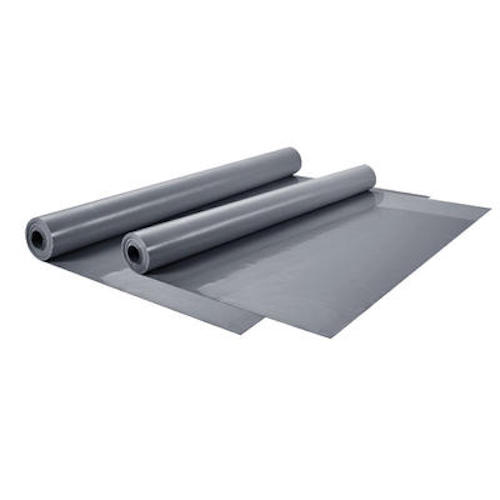
Sheet membranes are factory-made sheets of waterproof material such as PVC, HDPE, or modified bitumen. They are applied to foundation walls using adhesives or mechanical fasteners.Features:
Consistent thickness and quality
Quick installation on large areas
Requires sealing of seams to prevent water entry
Challenges:
Seams are potential weak points if not sealed properly
Less adaptable to irregular surfaces compared to liquid membranes
Integral waterproofing involves adding special admixtures into the concrete mix before pouring. These additives reduce the concrete’s permeability by blocking capillaries and pores, making the entire structure water-resistant.Advantages:
Waterproofing from within the concrete
Reduces water absorption and migration
Works well with crystalline technology for enhanced protection
Usage:
New foundations and slabs
Structures exposed to constant water pressure
Tip: When selecting a waterproofing system, consider combining integral additives with surface-applied membranes for multi-layered protection against water ingress.
Choosing the right below-grade waterproofing system is crucial for protecting foundations from water damage. Several key factors affect the selection and performance of waterproofing materials and methods. Understanding these will help you make informed decisions for both commercial and residential projects.
Water pressure against foundations varies based on groundwater levels and soil saturation. Hydrostatic pressure can push water through cracks and pores in concrete. High water pressure demands robust waterproofing systems capable of resisting constant force. Systems like crystalline waterproofing or thick bituminous membranes work well under high hydrostatic pressure. Additionally, drainage systems can relieve pressure by directing water away from the foundation.
Buildings naturally move due to settling, temperature changes, or seismic activity. Waterproofing materials must be flexible enough to accommodate these movements without cracking or losing adhesion. Liquid-applied membranes and elastomeric coatings offer excellent elasticity. Rigid systems like cementitious coatings may crack if the structure shifts, so they suit areas with minimal movement.
Installation success depends heavily on environmental conditions and surface readiness. Temperature and humidity affect curing times and adhesion. Surfaces must be clean, dry, and free of dust or loose particles. Primers often improve adhesion and seal pores. Applying waterproofing under unfavorable conditions can cause failures like peeling or blistering.
Waterproofing products must bond well with the foundation materials, usually concrete or masonry. Chemical compatibility prevents reactions that weaken the waterproofing layer. For example, some membranes require specific primers for concrete. Using incompatible materials can cause delamination or reduce waterproofing effectiveness.
Long-term performance is vital. Waterproofing should resist UV exposure, chemical attack, and physical wear. Durable systems reduce repair frequency and costs. Some materials need regular inspection and maintenance, like drainage systems or coatings prone to wear. Consider the expected lifespan and maintenance needs when selecting a system.
Budget often guides waterproofing choices. High-performance systems may cost more upfront but save money long-term by preventing damage. Installation complexity also matters; some methods require skilled labor or special equipment. Simple solutions might suit smaller projects or DIY, while complex commercial jobs benefit from professional installation.
Tip: Always assess water pressure, structural movement, and site conditions before selecting waterproofing materials to ensure lasting protection and cost-effectiveness.
Waterproofing commercial foundations is critical. These structures often face heavy water loads due to larger footprints and deeper basements. Water intrusion can weaken concrete, corrode steel reinforcements, and cause mold growth. It also affects indoor air quality and occupant comfort. Proper waterproofing protects the building's integrity and helps avoid costly repairs or downtime.
Hydrostatic pressure is the force water exerts against foundation walls when soil is saturated. It can push water through concrete pores and cracks, leading to leaks. Managing this pressure is key. Instead of just sealing walls, an effective drainage system relieves water pressure by channeling water away from the foundation. Perimeter drains or footing drains intercept groundwater and direct it to sump pumps or storm sewers. This reduces water buildup and protects the foundation.
Dimpled drainage membranes are plastic sheets with raised dimples that create an air gap between the foundation wall and soil. This gap allows water to flow downward freely, preventing water pressure buildup. These membranes also protect waterproofing layers during backfill. They are easy to install on poured concrete, block walls, or insulated concrete forms. Drainage boards combine a dimpled core with a filter fabric to keep soil out while allowing water flow.
Capillary rise occurs when water wicks upward from wet soil into concrete footings and walls. This moisture migration can cause dampness and damage inside the building. To stop this, a capillary break is installed between footings and walls. Options include membranes or fluid-applied waterproofing layers. These breaks prevent water from traveling up by breaking the continuous path of moisture. Proper curing time for fluid-applied products is important to ensure adhesion and effectiveness.
Drainage composites vary in material and strength. High Impact Polystyrene (HIPS) offers high compressive strength but can crack under long-term load. Polypropylene (PP) and High-Density Polyethylene (HDPE) provide better durability and resistance to stress cracking, though with slightly lower compressive strength. Choosing composites that withstand backfill pressure and last through the building's life cycle is vital. Proper specification avoids failures and costly repairs.
Commercial waterproofing must comply with codes like the International Building Code (IBC). Section 1805.3.2 requires below-grade walls to resist hydrostatic pressure and lateral loads. Waterproofing systems should meet performance grades based on building use and water exposure. Following manufacturer guidelines for installation and materials ensures code compliance, warranty validity, and long-term protection.
Tip: For commercial foundations, combine a high-quality waterproof membrane with a robust drainage system to effectively manage hydrostatic pressure and extend foundation lifespan.
Basements face water intrusion mainly due to:
Hydrostatic Pressure: Groundwater pushes against walls and floors, forcing water through cracks and pores.
Poor Drainage: Clogged gutters or improper grading let water pool near foundations.
Cracks and Joints: Settlement or shrinkage cracks allow water seepage.
Old or Failing Waterproofing: Deteriorated coatings lose effectiveness over time.
Porous Concrete: Concrete naturally absorbs moisture unless sealed.
Plumbing Leaks: Broken pipes underground cause damp patches.
Understanding these causes helps pick the right waterproofing approach.
Exterior Waterproofing stops water before it reaches the basement. It involves:
Excavating soil around the foundation.
Cleaning and repairing walls.
Applying waterproof membranes or coatings.
Installing drainage systems like French drains.
Grading soil away from the foundation.
Benefits include full protection from groundwater and reduced hydrostatic pressure.Interior Waterproofing manages water after it enters. It includes:
Applying waterproof coatings inside walls.
Installing interior drainage systems beneath floors.
Using sump pumps to remove collected water.
Sealing cracks with injection materials.
Interior methods are less invasive but may not stop water entry entirely.
Interior drainage systems collect water seeping through walls or floors. A common type is the interior French drain, a perforated pipe installed around the basement perimeter under the slab. It channels water to a sump pit.Sump pumps then remove water automatically, preventing flooding. Types include:
Submersible pumps (quiet, hidden).
Pedestal pumps (easier to service).
Battery backup pumps (operate during power outages).
These systems are essential in high water table areas or basements prone to flooding.
Bituminous Membranes: Durable, flexible, ideal for exterior walls.
Crystalline Waterproofing: Self-sealing crystals block water inside concrete.
Cementitious Coatings: Easy to apply, best for interior walls with minimal movement.
Liquid-Applied Membranes: Seamless, flexible coatings for complex surfaces.
Waterproof Primers: Improve adhesion and moisture resistance.
Drain Boards: Protect membranes and channel water effectively.
Choosing materials depends on site conditions, water pressure, and budget.
Watch for:
Damp or musty odors.
Water stains or peeling paint.
Efflorescence (white powder on walls).
Visible cracks or water droplets.
Mold growth.
Puddles or flooding during rain.
Rust on metal fixtures.
These signs indicate water intrusion that can worsen without prompt action.
Protects structural integrity by preventing cracks and corrosion.
Reduces mold and improves indoor air quality.
Increases property value and buyer appeal.
Lowers maintenance and repair costs.
Expands usable space by keeping basements dry.
Prevents electrical hazards caused by moisture.
Investing in quality waterproofing ensures a safe, comfortable, and valuable home.
Tip: Combine exterior waterproofing membranes with interior drainage and sump pumps for comprehensive basement protection against water intrusion.
Start by thoroughly assessing the site conditions. Check soil type, moisture levels, and water table height. Look for cracks or damage on existing foundations. Clear debris and vegetation from the area. Proper grading around the foundation is essential to direct water away. Remove loose materials and repair any surface defects. This preparation ensures a clean, stable base for waterproofing materials. Early detection of potential water issues helps select the right system.
Select a waterproofing method based on site conditions and foundation type. For high hydrostatic pressure, consider crystalline or bituminous membranes. If the structure experiences movement, liquid-applied membranes offer flexibility. For new concrete, integral waterproofing additives can be mixed in. Sheet membranes suit uniform surfaces but require careful seam sealing. Consider combining multiple methods for layered protection. Budget and maintenance also influence the choice.
Thorough surface prep is vital for adhesion. Clean the foundation wall, removing dirt, grease, or loose particles. Repair cracks and smooth uneven areas. Dry the surface if possible. Apply a primer compatible with the waterproofing product. Primers seal pores, improve bonding, and extend coating life. Follow manufacturer instructions for primer curing time. Skipping primer risks poor adhesion and premature failure.
Apply waterproofing membranes or coatings evenly according to product specs. For liquid membranes, use brushes, rollers, or spray for uniform thickness. Overlap sheet membranes properly and seal seams with tape or adhesives. Multiple layers may be needed for desired thickness and durability. Install drainage systems such as perimeter drains or dimpled membranes to relieve hydrostatic pressure. Proper drainage prevents water buildup and reduces stress on waterproofing layers.
After waterproofing, add thermal insulation if required. Use rigid insulation boards like XPS or EPS. Attach insulation with compatible adhesives or mechanical fasteners without damaging waterproofing layers. Insulation improves energy efficiency and protects waterproofing from temperature extremes. Cover insulation with a protective membrane or drainage board before backfilling. Proper integration prevents moisture traps and maintains system performance.
Inspect the waterproofing system before backfilling. Look for missed spots, bubbles, or damage. Conduct water tests or flood tests to verify effectiveness. Document findings and repair defects immediately. After installation, schedule regular inspections to catch wear or damage early. Clean drainage systems and sump pumps periodically. Maintain records of inspections and repairs to extend waterproofing lifespan and protect the foundation long-term.
Tip: Always prepare surfaces thoroughly and use primers before waterproofing to ensure strong adhesion and lasting protection.
One of the biggest mistakes in below-grade waterproofing is poor surface prep. Dirt, dust, loose particles, or moisture on the foundation surface reduce adhesion and cause waterproofing layers to peel or blister. Skipping primer worsens this problem. Primers seal pores and improve bonding between the substrate and waterproofing material. Without primer, coatings and membranes may fail prematurely. Always clean surfaces thoroughly, repair cracks, and apply the recommended primer before waterproofing.
Applying too thin a waterproofing layer is a common error. Thin coatings cannot resist water pressure or bridge cracks. Waterproofing products often require multiple coats applied crosswise to build a durable, continuous barrier. Follow manufacturer guidelines on minimum thickness and number of layers. Too few coats lead to weak spots and leaks. Proper layering ensures uniform protection and extends system life.
Attaching thermal insulation improperly can damage waterproofing layers. Using mechanical fasteners like mushroom-head anchors drills holes through waterproof membranes, creating water entry points. Instead, use adhesives compatible with the waterproofing material to fix insulation boards. When applying insulation over waterproofing, handle materials carefully to avoid punctures or tears. Protect membranes during backfilling and construction to maintain their integrity.
Below-grade waterproofing can be complex, especially for commercial foundations or high water tables. Professional installers have the expertise, tools, and experience to apply membranes, primers, and drainage systems correctly. They understand site conditions and can adapt methods to prevent common failures. DIY attempts or untrained labor risk costly mistakes, voided warranties, and future water damage. Investing in professionals ensures quality and peace of mind.
Waterproofing is not a set-it-and-forget-it task. Regular inspections identify damage, wear, or drainage issues early. Check for cracks, blistering, or membrane punctures. Clean drainage systems and sump pumps to prevent clogging and water buildup. Timely repairs and maintenance prolong waterproofing effectiveness and protect foundations long-term. Create a maintenance schedule and keep records of inspections and repairs.
Not all waterproofing products are equal. Low-quality materials may save money upfront but fail quickly under pressure or environmental stress. Select products from reputable manufacturers with proven performance and warranties. Durable waterproofing resists hydrostatic pressure, chemical attack, and physical damage. High-quality membranes, coatings, primers, and drainage components work together for reliable protection.
Tip: Always prepare foundation surfaces thoroughly and apply the correct primer before waterproofing to ensure strong adhesion and long-lasting protection.
Effective below-grade waterproofing combines proper site assessment, quality materials, and expert installation. These best practices ensure durable protection against water damage. Waterproofing preserves structural integrity, enhances building value, and prevents costly repairs. Investing in professional services and high-grade products guarantees long-term results. Protecting foundations from moisture is essential for safety and comfort. www.canlon.com CANLON offers reliable waterproofing solutions that deliver lasting performance and peace of mind. Their products provide superior resistance to water and structural movement, making them a smart choice for any project.
A: Below-grade waterproofing refers to methods used to prevent water intrusion in foundation walls and floors below ground level. It protects structures from water damage, mold, and structural issues caused by groundwater and hydrostatic pressure.
A: Soil type and drainage impact water pressure on foundations. Clay soils hold water longer, increasing hydrostatic pressure, requiring more robust below-grade waterproofing systems.
A: Solutions include crystalline waterproofing, bituminous membranes, liquid-applied coatings, and interior drainage systems with sump pumps to manage water intrusion effectively.
A: Proper surface prep and primer application ensure strong adhesion of waterproofing materials, preventing peeling and leaks for long-lasting below-grade waterproofing protection.
A: Costs vary by method, site conditions, and foundation size. High-performance systems may cost more upfront but save on future repairs by effectively managing water pressure and damage.